

Stepping Out of Campus to Discover Guangzhou - Foreign Teachers Embark on a Cultural Exploration Tour
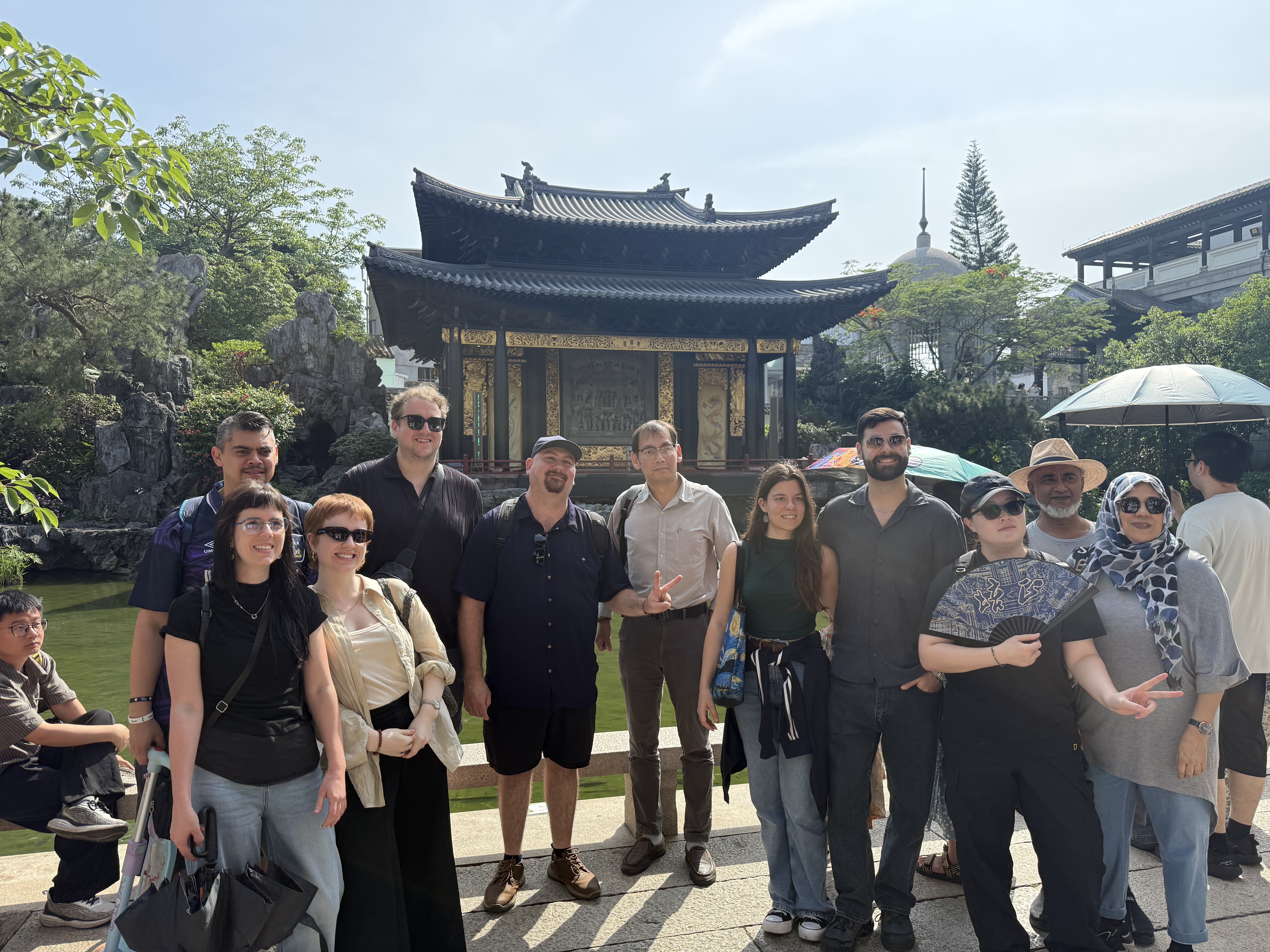
Recently, to foster cultural exchange between China and other countries and help foreign teachers gain a deeper understanding of Guangfu culture, a unique ‘city walk’ took place in the Yongqingfang Historical and Cultural District in Liwan, Guangzhou. Students from Cultural Exchange Association acted as ‘cultural ambassadors’, accompanying our foreign teachers on a tour of Yongqingfang, where they spoke fluently in English about the ‘nostalgia’ and ‘rebirth’ of this millennia-old commercial capital.
Winding their way through the quaint granite alleys and blue-brick arcades, the foreign teachers, guided by the students, entered this outdoor museum of Lingnan culture, which has undergone ‘micro-renovation’. Pointing to the newly restored building facades, the students gave a detailed explanation of the ‘meticulous craftsmanship’ employed in Guangzhou’s urban renewal, illustrating how the city’s revitalization and enhancement have been achieved whilst preserving the original architectural character.
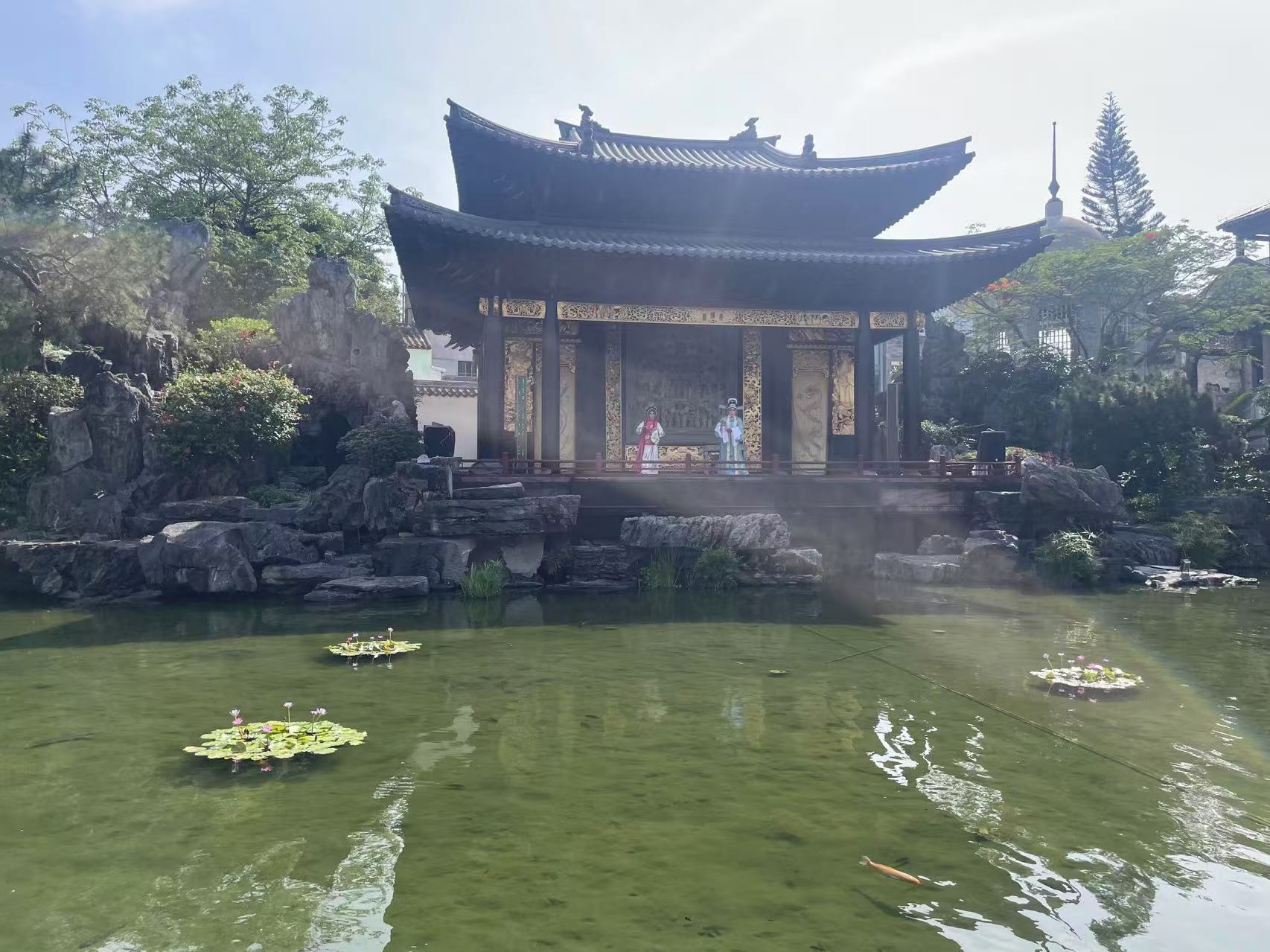
At the renowned Cantonese Opera Art Museum, the students introduced the foreign teachers to the charm of the ‘Red Bean of the South’, from the melodies of Cantonese opera to the magnificent costumes, immersing them in the unique allure of this Intangible Cultural Heritage. David, a teacher from Spain, remarked: ‘This is utterly captivating! Although I cannot understand the lyrics, through the students’ translations and the on-stage production, I can feel that emotional intensity that transcends language.’
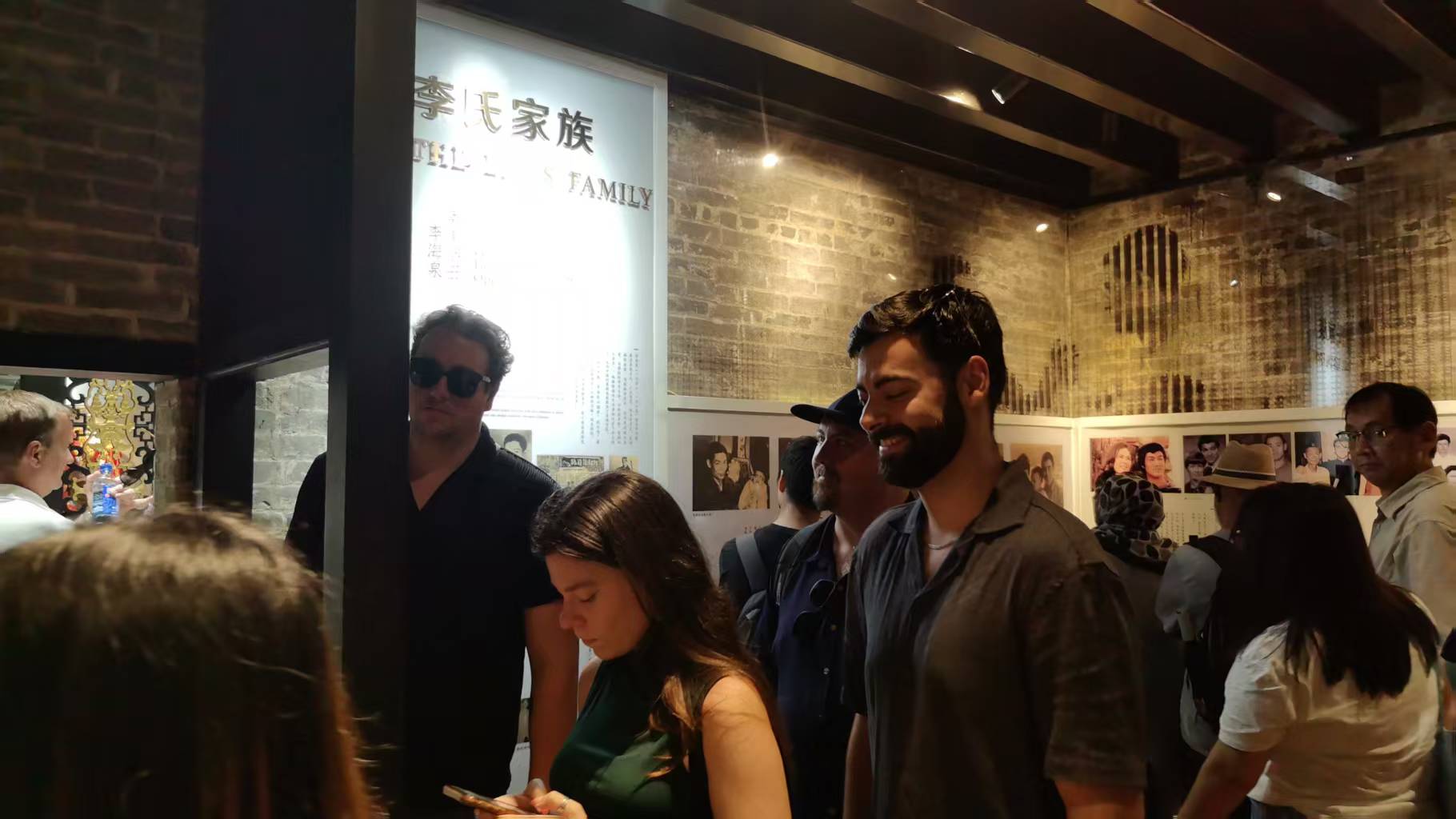
During the event, the students also led the foreign teachers on a visit to Bruce Lee’s ancestral home. Inside the residence, the students not only introduced the martial arts superstar’s family background but also demonstrated the contemporary transmission of Chinese martial arts philosophy through interactive installations featuring modern technologies such as holographic projections. Furthermore, whilst strolling through the Intangible Cultural Heritage district, the foreign teachers took a keen interest in the modern innovations of traditional crafts such as Guangcai porcelain, Guangzhou embroidery and movable-type printing.
This cultural exploration was not merely a linguistic exchange, but a ‘translation’ of culture. One participating student remarked: ‘Previously, we studied English to see the world; today, we use English to tell China’s stories to the world. ‘Seeing the foreign teachers giving our Lingnan culture a thumbs-up makes me feel particularly proud.’ Moving oral English classes into historic cultural districts aims to help students hone their cross-cultural communication skills within authentic contexts. By appointing students as ‘cultural guides’, the initiative not only deepens foreign teachers’ understanding of and identification with local culture, but also strengthens the cultural confidence of young people as they participate in the preservation and dissemination of Lingnan culture.
Picture One
Picture Two
Picture Three
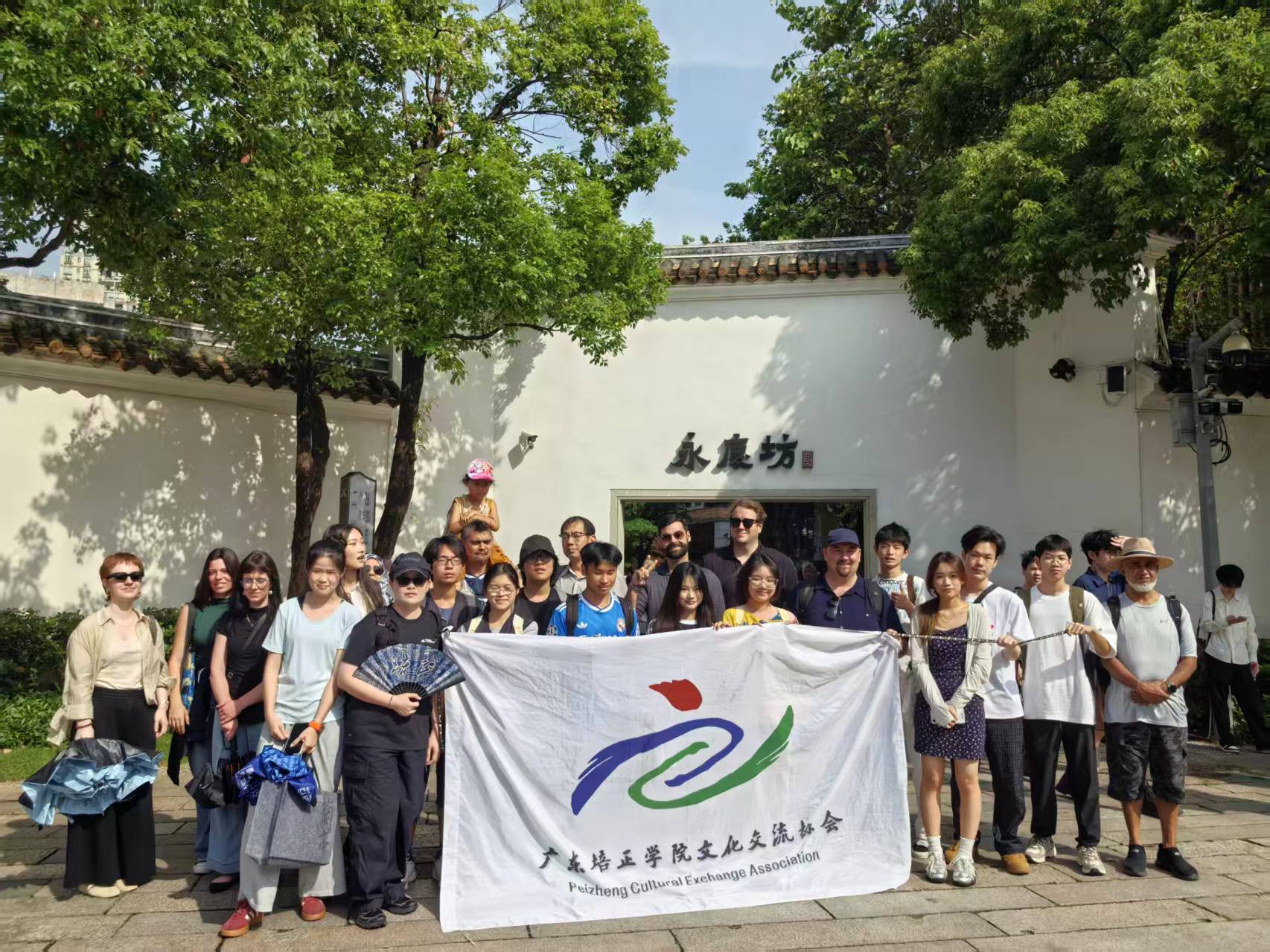
Picture Four