


Economic Statistics Program
Background and Vision
In the era of the digital economy, demand across all industries for professionals skilled in quantitative analysis, economic forecasting, and risk assessment continues to grow. Economic statistics integrates economic theory with mathematical and statistical techniques, serving as a core tool for analyzing economic patterns and supporting informed decision-making.This program is dedicated to cultivating high-caliber, application-oriented statistical professionals capable of meeting the demands of societal development.
Objectives
This program is dedicated to cultivating well-rounded, interdisciplinary professionals in economic statistics. Students will systematically acquire core knowledge in economic statistics, econometric analysis, big data processing, and market forecasting, while developing practical skills in data collection and modeling, indicator analysis, risk assessment, and data visualization. Graduates will be equipped to work in various organizations in the fields of economic statistics, data analysis, market assessment, and business decision support.
Program Highlights and Career Prospects
Key Features
Application-Oriented curriculum: Core curriculum combines statistics, economics, data analysis, and AI, breaking down the barriers between traditional disciplines.
Outstanding Faculty: Our instructors hold degrees in statistics, economics, and related fields from leading universities both in China and abroad. Some of our faculty members are certified as “Dual-Qualified” instructors, possessing both strong academic and teaching skills as well as extensive practical industry experience.
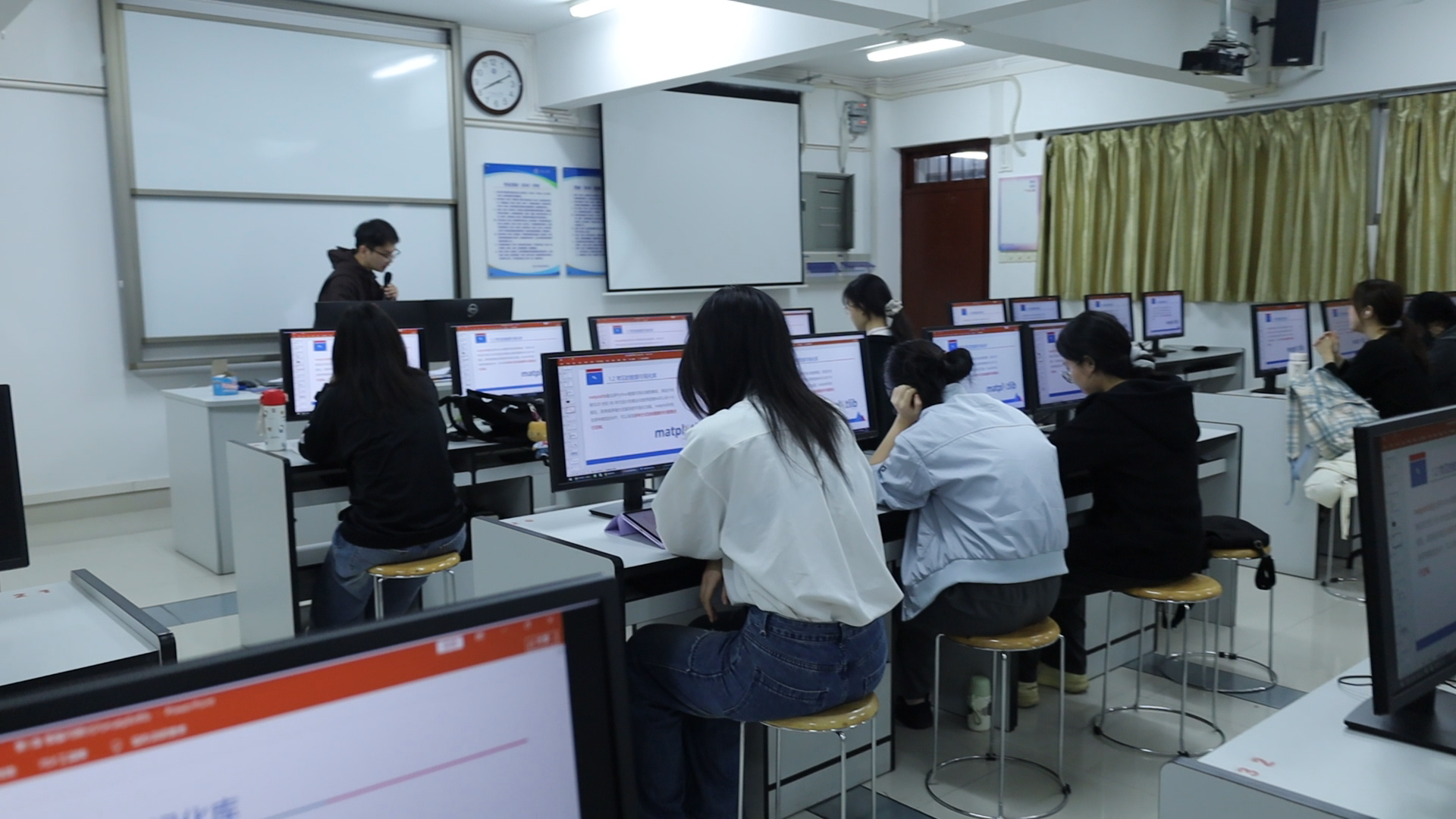
Fig1.Laboratory-based instruction
Career Prospects
Positions: Financial data analyst, market analyst, risk assessor, and related roles.
Entrepreneurship: Launch market research or data consulting startups.
Further Education: Applied Statistics at the University of Malaya; Business Data Analytics at City University of Hong Kong; Applied Economics at Hong Kong Baptist University; Quantitative Finance at Singapore Management University; Statistics at the University of Manchester; Economic Data Analysis at the Australian National University, etc.
Civil Service: Suitable for relevant civil service positions at the National Bureau of Statistics, development and reform departments, and similar agencies.
Courses
Core Courses: Microeconomics, Macroeconomics, Econometrics, Statistics, National Economic Statistics, Business Management Statistics, Theory and Practice of Statistical Surveys, Time Series Analysis, Multivariate Statistical Analysis.
Elective Courses: Database Principles and Applications, Python Data Cleaning and Visualization, CDA Data Analyst Certification Training.
Practical Training: MySQL Database Application Training, Comprehensive Survey Analysis Training, Comprehensive Data Analysis Training, Interdisciplinary Business Simulation Training, Graduation Internship and Thesis.
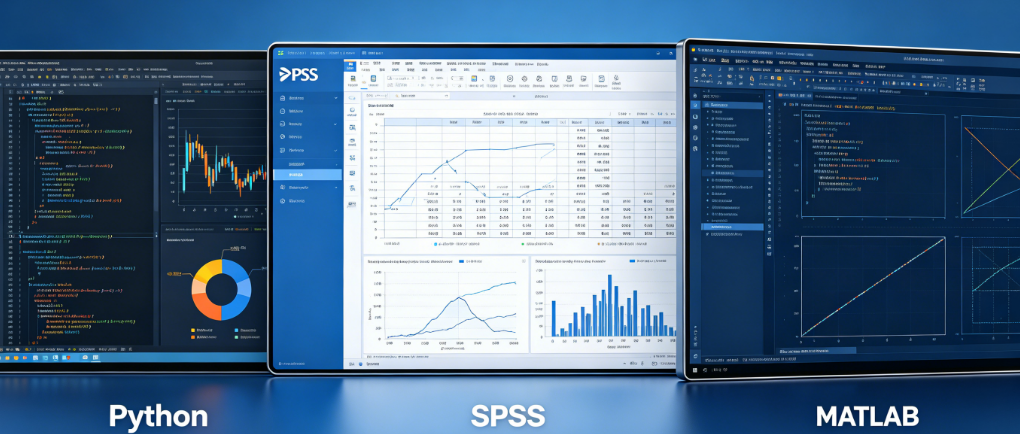
Fig2.Student Learning Software Platform
Industry Partnerships
Competitions and Events: Students participate in high-level academic competitions such as the National Statistical Modeling Competition, the Market Research and Analysis Competition, and the Mathematical Modeling Competition. They are also regularly organized to participate in practical activities such as the Canton Fair and social surveys to broaden their industry perspectives, gain real-world market research and practical experience, and comprehensively improve their professional application and overall practical skills.
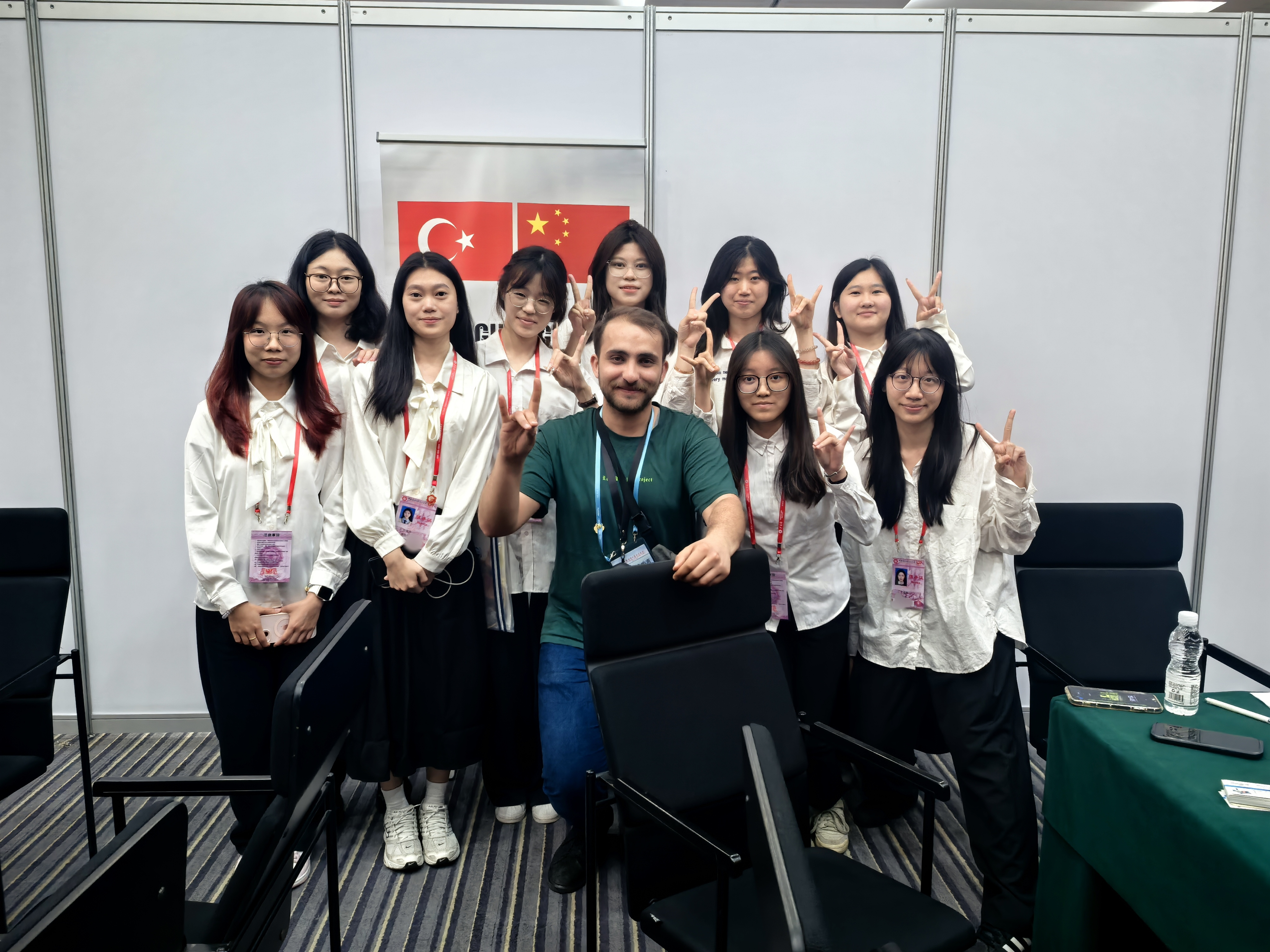
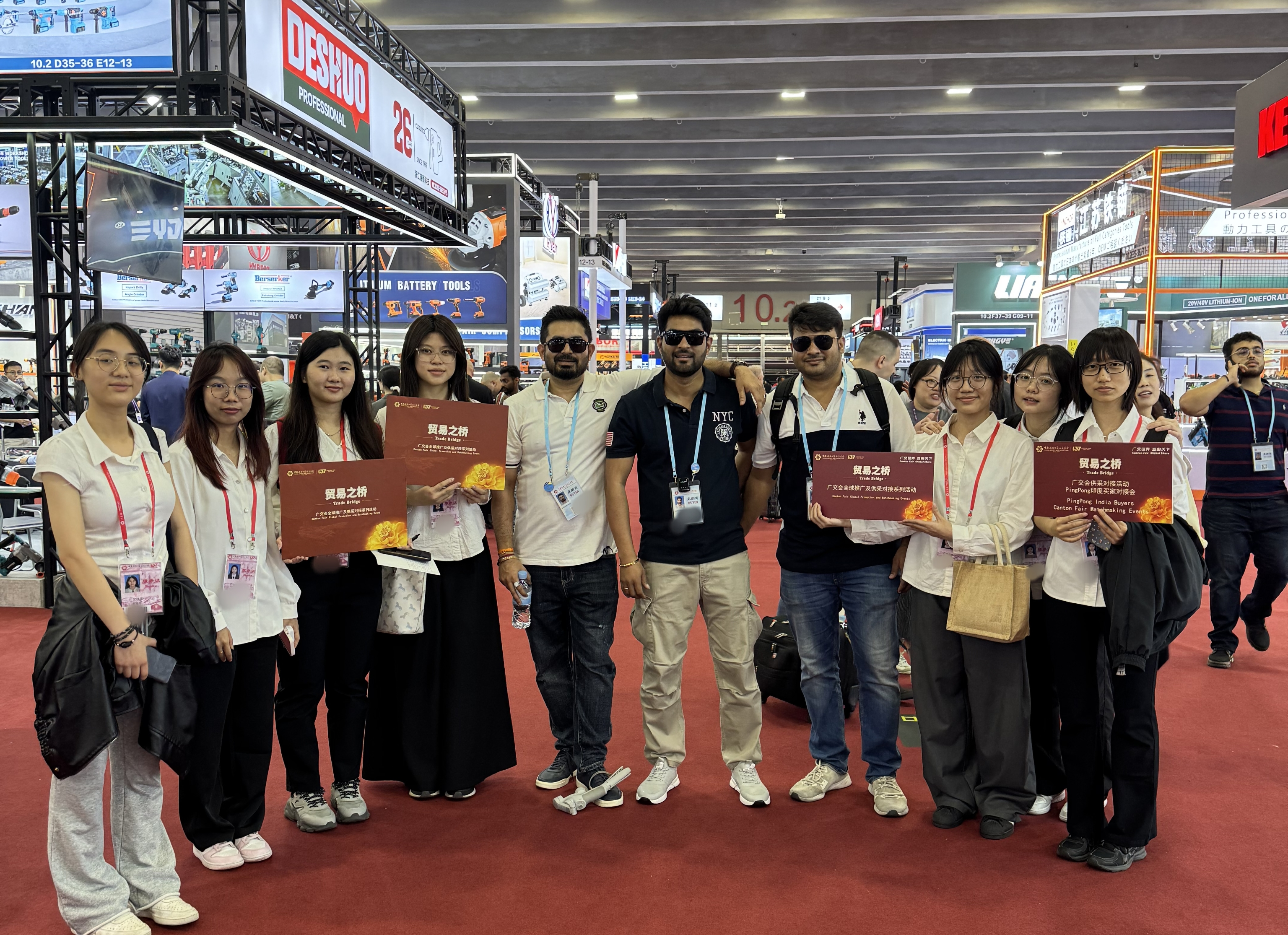
Fig 3-4.Students Participating in the Canton Fair
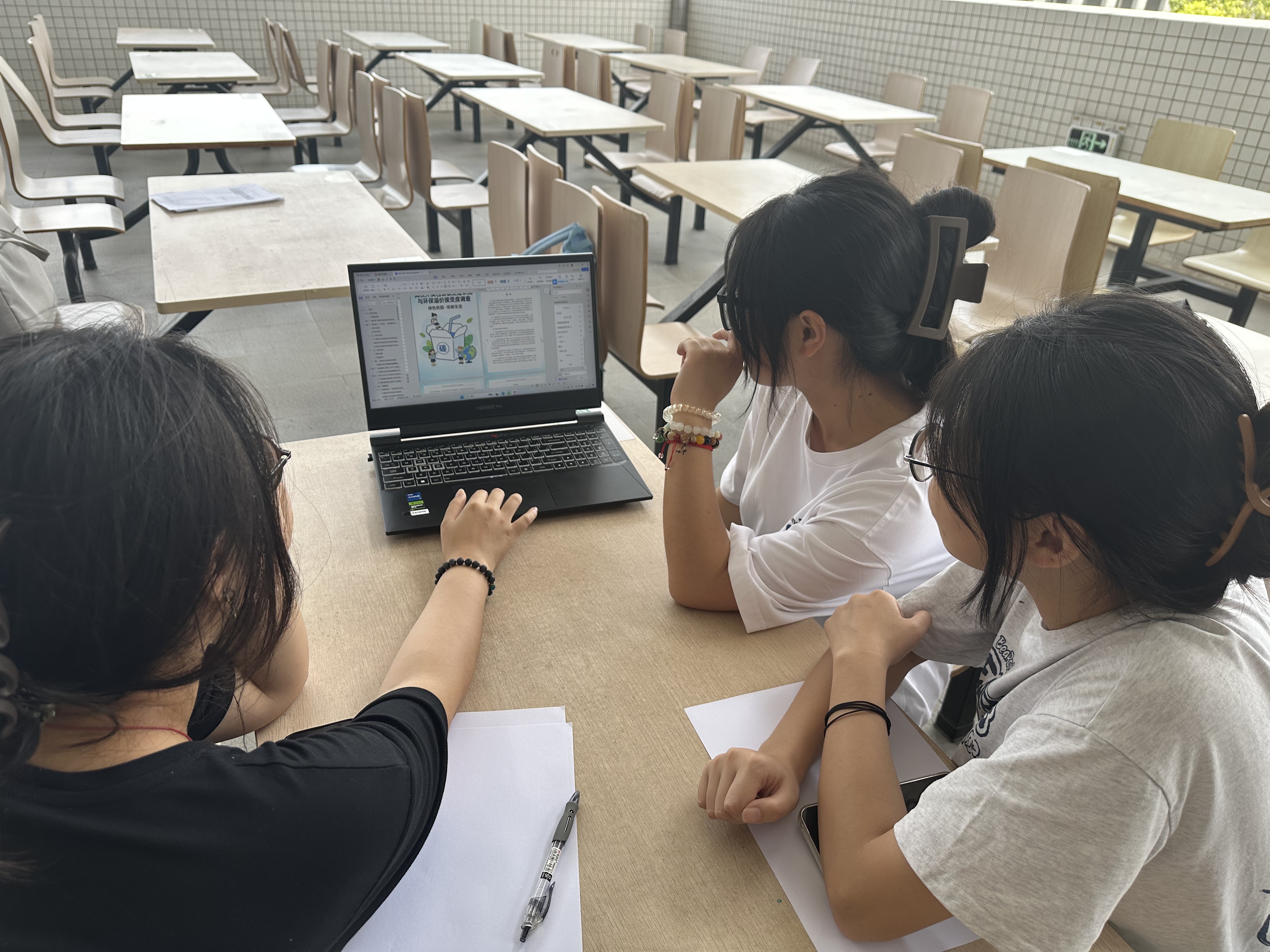
Fig 5. Students Participating in the Market Research Competition
Industry Integration: We collaborate with multiple high-quality enterprises to establish practical training bases and regularly organize practical training sessions for students. This enables students to gain hands-on experience in data analysis, market research, and report writing through real-world work assignments. At the same time, partner companies prioritize hiring outstanding graduates from our program, thereby creating a virtuous cycle of education that links practical training, skill development, and high-quality employment.
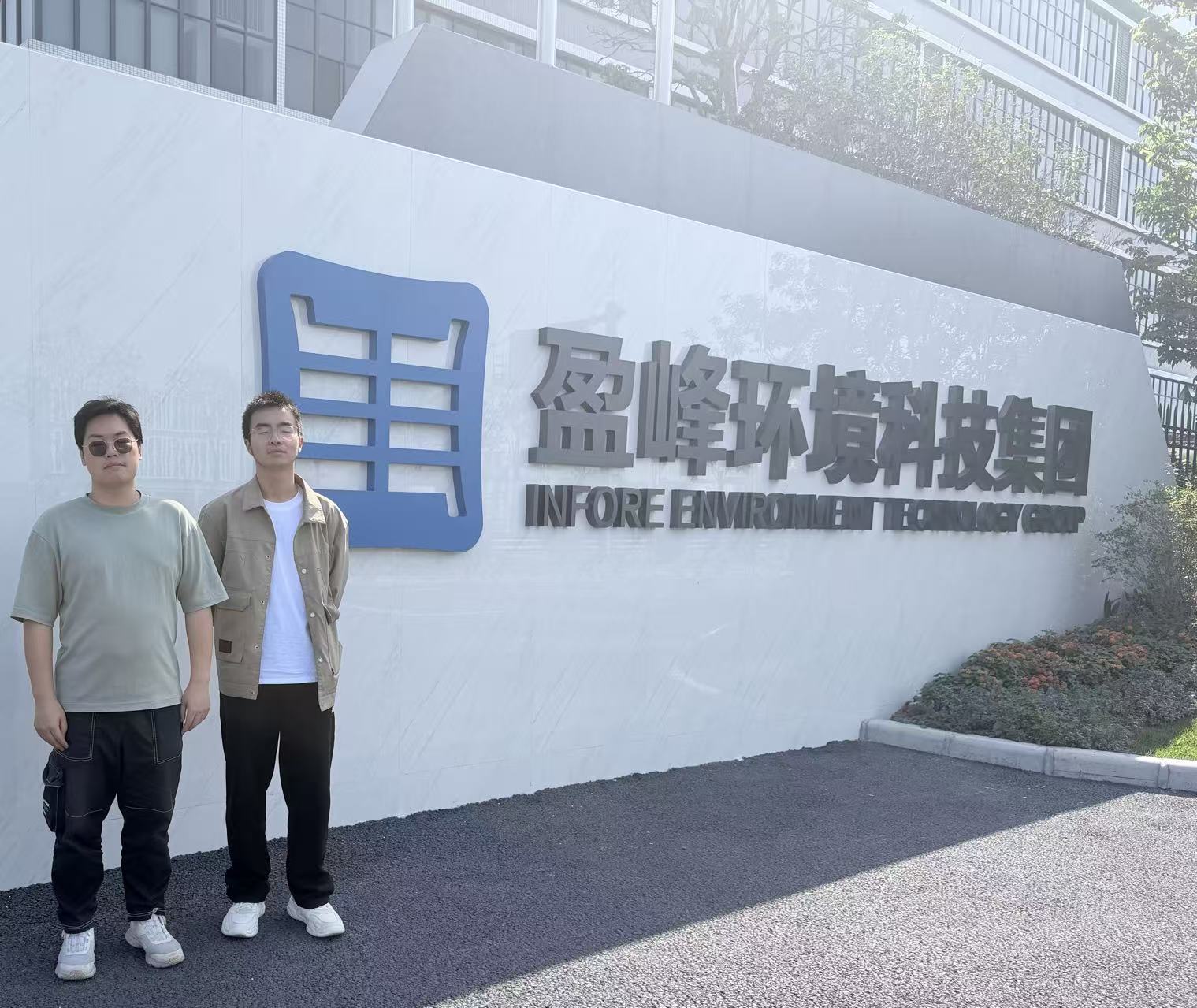
Fig 6. Students participating in an internship