


Japanese Program
Objectives
We cultivate high-quality applied talents who are politically firm, law-abiding, and capable of working in Sino-Japanese trade, cross-border e-commerce, Japanese teaching, translation, and foreign-related consulting.

Fig. 1: A Japanese Major Student Wining a Prize in the National Finals of the “China Cup” Speech Contest at Tokyo University of Foreign Studies
Program Features
Background & Vision
Japan remains the world’s fourth-largest economy. The 2024 Sino-Japanese cross-border e-commerce market achieved approximately 10-15% year-on-year growth, reaching 330 billion RMB. Professionals combining Japanese proficiency with e-commerce operations, cultural literacy, and technical application capabilities are increasingly preferred.
Additionally, the number of students taking Japanese as their foreign language in the national college entrance examination (Gaokao) has been increasing annually. In 2025, the number exceeded 500,000 for the first time, a more than 30-fold increase from 2013, driving a growing demand for talents in Japanese language education.
Curriculum Highlights & Features
Dual-Track Model:
International Trade:
Core Courses: Business Japanese, Japanese Interpretation, Japanese Business Negotiation and Conversation, Advanced Spoken Japanese, Japanese Cultural Experience, Japanese Business Etiquette, International Trade Theory and Practice, Cross-Border E-Commerce Practice, International Trade Comprehensive Process Training, Cross-Border Live Streaming.
Careers: Cross-border E-commerce Operators, International Trade Specialists, and International Business Managers.
Japanese Education:
Core Courses: Advanced Spoken Japanese, Japanese Language Teaching Methodology, Introduction to Japanese Language Teaching, AI-Empowered Japanese Language Teaching Practice, Japanese Listening, Japanese Reading, Selected Japanese Literature, History of Japanese Literature, Translation Theory and Practice, Japanese Academic Writing.
Careers: Japanese Language Teachers.
Program Highlights
Interdisciplinary Integration: “Japanese + International Trade” or “Japanese + AI-Assisted Teaching” capabilities prepare versatile professionals for diverse enterprise and educational demands, moving beyond pure language skills to create “multi-skilled” professionals ready for the digital economy.
International Faculty: 18 Chinese teachers (67% with senior titles, many with experience in Japan) and 2 Japanese foreign teachers, supplemented by other 35 international faculty for English learning.
Small-sized Class Instruction: Small-sized oral classes (≤20 students) ensure personalized interaction and authentic language development.
Global Opportunities
Degree Programs
We have established pathways with Hokkaido Bunkyo University for bachelor’s, master’s, and doctoral degrees.
Overseas Internships
We offer internship programs in Japan, with about 30% of students participating in recent years.
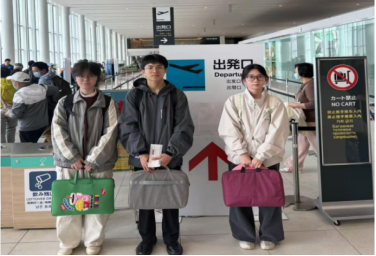
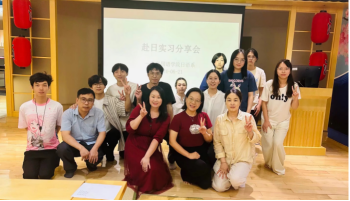
Fig. 2-3 A Sharing Session on Internship Experience in Japan
We value international cooperation and exchange, regularly inviting professors from renowned Japanese universities to conduct academic exchanges and research on student exchange programs.
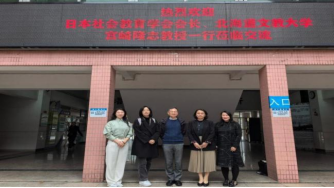
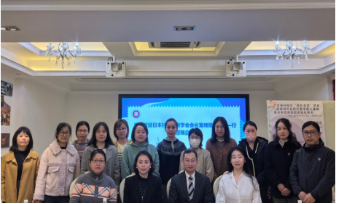
Fig. 4-5 Professor Takashi Miyazaki Engaging in Discussions with Japanese Department Faculty
Industry Partnerships
Students have access to rich domestic and overseas practice platforms. We maintain internship bases with companies like Hitachi Automotive (Guangzhou) and various Japanese enterprises.
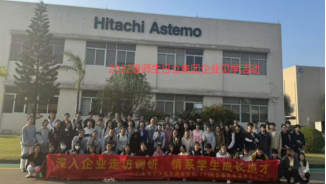

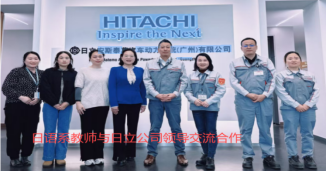
Fig. 6-8 Survey at Hitachi Automotive Guangzhou Ltd.