

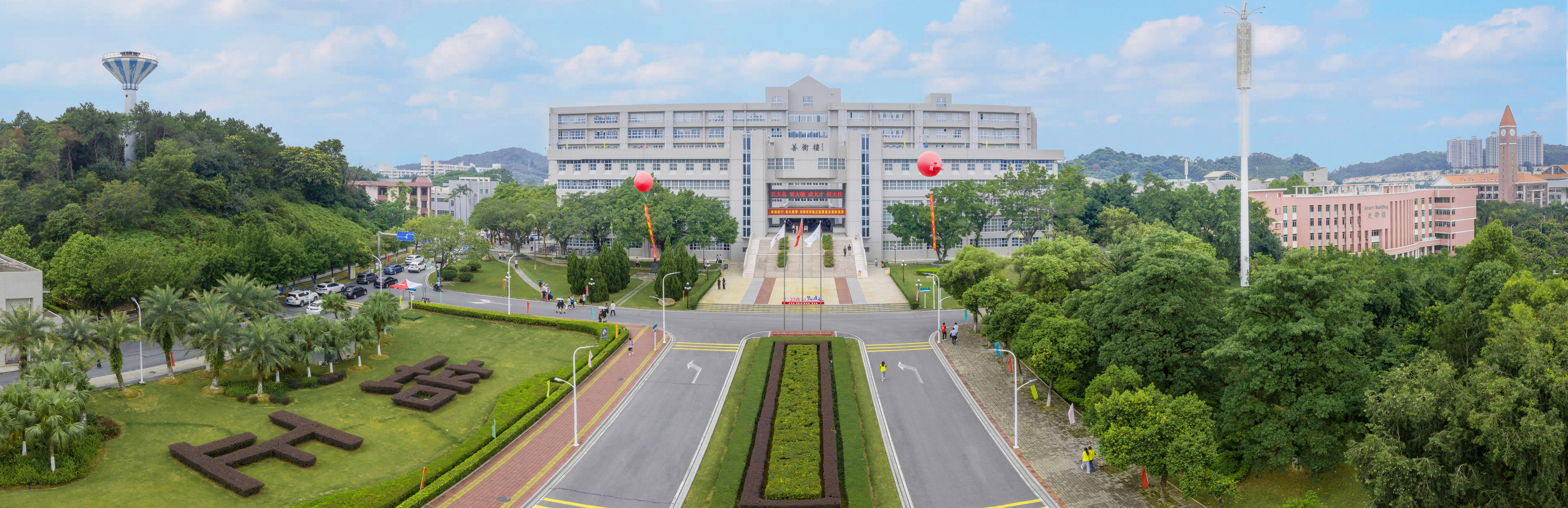
Primary Education Program
Program Code: 040107
Degree Awarded: Bachelor of Education
Duration: Standard 4 years; flexible 4–6 years
Admission Targets: High school graduates taking the National Unified College Entrance Examination and students pursuing bachelor’s degrees via junior college-to-university transfer.
1. Program Overview
The Primary Education Program at Guangdong Pei Zheng College launched its undergraduate enrollment in 2022 and added junior college-to-university transfer enrollment in 2026, with a current student population of approximately 500.
The program boasts a high-level teaching team composed of senior professors, backbone teachers and industry experts. It has 12 full-time teachers, all holding master’s degrees or higher, including 4 doctoral degree holders. The teachers graduated from renowned domestic and international universities such as Sun Yat-sen University, the University of Sydney, Sichuan University, the Central Academy of Fine Arts and Guangxi Normal University, bringing diverse academic backgrounds. The team is deeply engaged in education, combining solid professional theoretical foundations with extensive frontline teaching experience and fruitful academic achievements. Aligned with the forefront of basic education reform, the program deeply integrates digital teaching concepts and technologies in science education and artificial intelligence (AI) literacy, focusing on cultivating students’ practical and innovative abilities and providing comprehensive guidance and support for pre-service teachers.
2. Training Objectives
Rooted in fostering virtue through education, the program is based in Guangdong Province and serves the whole country. It aims to cultivate new-era primary education professionals with all-round development in morality, intelligence, physical fitness, aesthetics and labor, firm political stance, noble teacher ethics and a strong passion for education. Graduates will systematically master core theories of pedagogy and psychology, excel in teaching skills for primary school subjects including Chinese, Mathematics, English and Science, and be proficient in class management, educational research and digital education. They will possess capabilities in rural education services and basic competencies in special education, as well as composite skills such as AI-enabled teaching, digital resource development and interdisciplinary integrated education. Graduates are qualified for positions in urban and rural primary schools, special education institutions, educational research institutes and digital education platforms, undertaking work in subject teaching, class management, research support and digital education.
3. Core Curriculum
A three-dimensional curriculum system of comprehensive literacy, professional literacy and practical literacy is constructed to promote research-based and practical classroom reform, and strengthen students’ core competencies and teaching practice abilities through immersive guidance and hands-on training.
(1) Core Theoretical Courses
Introduction to Psychology, Principles of Pedagogy, Educational Psychology, History of Chinese and Foreign Education, Child Developmental Psychology, AI+Educational Statistics and SPSS Application, Theory and Practice of Special Children’s Education, Research Methods in Primary Education, Educational Measurement and Evaluation, Primary School Curriculum and Teaching Theory, Application of Modern Educational Technology, etc.
(2) Professional Skills Courses
Writing Skills, Theory and Practice of Primary School Class Management, Design and Evaluation of Primary School Curriculum, Research on Primary School Subject Curriculum Standards and Textbooks, Micro-teaching Skills Training, Major-specific Courses, etc.
(3) Main Practical Components
Daily training in three styles of calligraphy (pen, brush and chalk), intensive lectures and practical training for teacher qualification examination, educational observation, educational research, educational internship, graduation thesis (project), etc.
4. Practical Training and Teaching
(1) On-campus Training Venues
Leveraging the university’s smart classrooms, the program has built specialized venues including the Comprehensive Training Room for Primary Education Music and Dance Teaching Skills, the Yanniao Mandarin Proficiency Test Training Room, the Child Psychological Counseling and Education Training Room, the Industry-Education Integration Smart Teaching Assistant Training Room for Psychological Counseling, and the Children’s Playroom. It is accelerating the construction of the Three-style Calligraphy Training Room, Micro-teaching Training Room and Special Children’s Education and Intervention Training Room for primary education, creating an all-scenario practical teaching environment.
(2) Off-campus Practice Bases
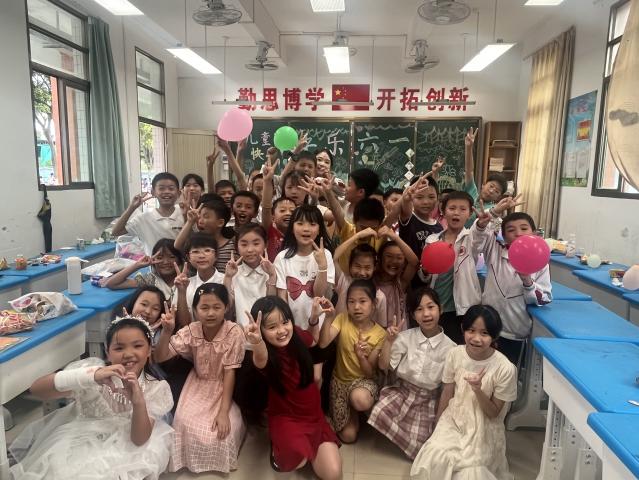
The program has established in-depth cooperation with nearly 20 high-quality primary schools and educational enterprises, including Guangzhou Zhonghuang Foreign Language Primary School, Huadu School Affiliated to Guangdong University of Technology, Huadu Shigang Primary School of Guangzhou Experimental Education Group, Guangzhou Panyu Nord Anglia International Primary School, and Wondermind K12 Education Technology Company in Jakarta, Indonesia, forming a stable and diverse practical teaching network. Through shadowing study and internship placements, students become familiar with the work norms of primary school subject teaching, master practical skills such as classroom teaching, class management and academic administration, and achieve seamless integration between theoretical learning and frontline teaching.
5. Program Features
(1) AI+Digital Intelligence Empowerment, Focusing on Digital Education
Aligned with the trend of digital transformation in education, the program builds a distinctive AI+education curriculum system, offering courses such as Fundamentals and Applications of Artificial Intelligence, AI+Modern Educational Technology, and AI+Primary School Curriculum Design and Evaluation. It emphasizes hands-on practice with AI teaching tools, development of digital learning resources and operation of smart classrooms, cultivating digitally literate primary school teachers qualified for new-era smart education positions.
(2) Trinity Curriculum System, Achieving Integration of Courses, Certifications, Occupations and Competitions
A trinity curriculum system of general education, professional education and practical education is established, with precise grouped teaching for Chinese, Mathematics and English majors. Course content is closely aligned with teacher qualification examination standards and core competencies required for frontline primary school positions, promoting integration of courses and certifications, and alignment of occupations and competitions, to comprehensively enhance students’ professional competitiveness.
(3) Dual-tutor System for Mutual Appointment, Bridging Theory and Practice
A collaborative guidance model of on-campus academic tutors + off-campus frontline senior teachers is implemented. Senior primary school teachers are regularly invited to campus for lectures, while professional teachers are assigned to practice bases for teaching research, forming a training closed loop of "mutual empowerment and joint talent cultivation" to ensure teaching content aligns with frontline realities.
(4) Whole-academic Guidance, Supporting Precise Growth of Pre-service Teachers
A dual-track management system of full-time counselors + dedicated academic tutors is adopted: each class is assigned a full-time counselor for daily management; one dedicated academic tutor is assigned for every 30 students to provide whole-process guidance on academic planning, course selection and career development, fully supporting the growth and success of pre-service teachers.
6. Graduate Destinations
(1) Direct Employment
1. Educational Teaching: Teaching positions in public primary schools, private schools and various educational institutions.
2. Educational Research: Primary education researchers and curriculum developers at teaching research institutes at all levels.
3. Administrative Management: Civil servants in education and related administrative departments, educational administrators in schools or institutions.
4. Other Related Industries: Educational consultants, editors in publishing houses, etc.
(2) Further Study
1. Pursue master’s degrees in education or related majors in China.
2. Study abroad to pursue master’s degrees in education or related majors.
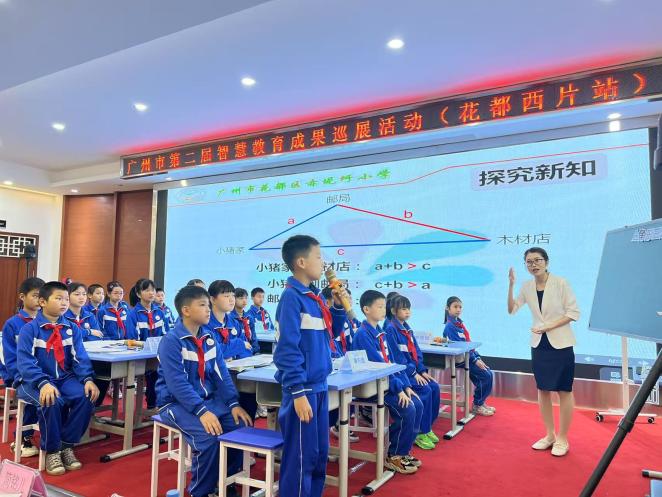
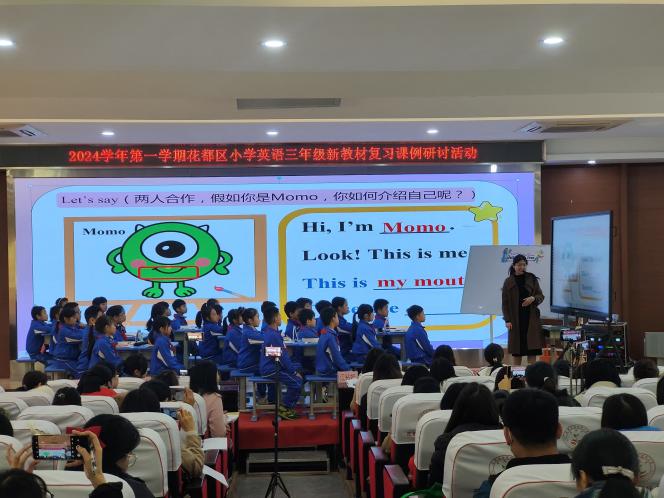
Educational Observation
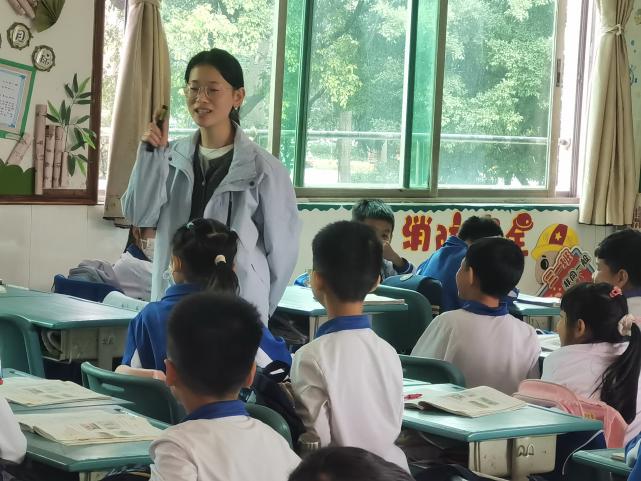
Student Internship
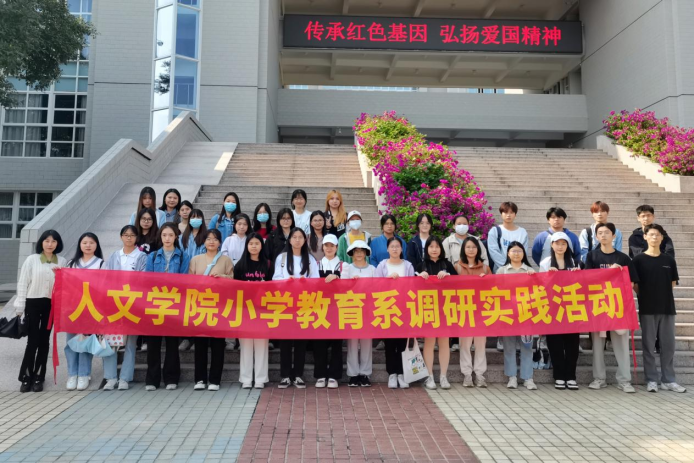
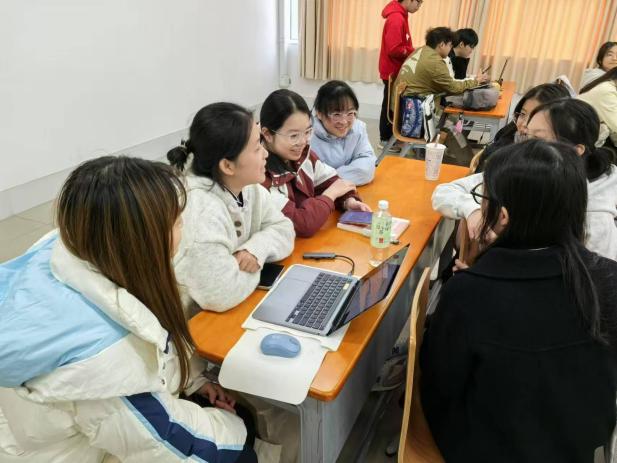
Educational Research and Investigation

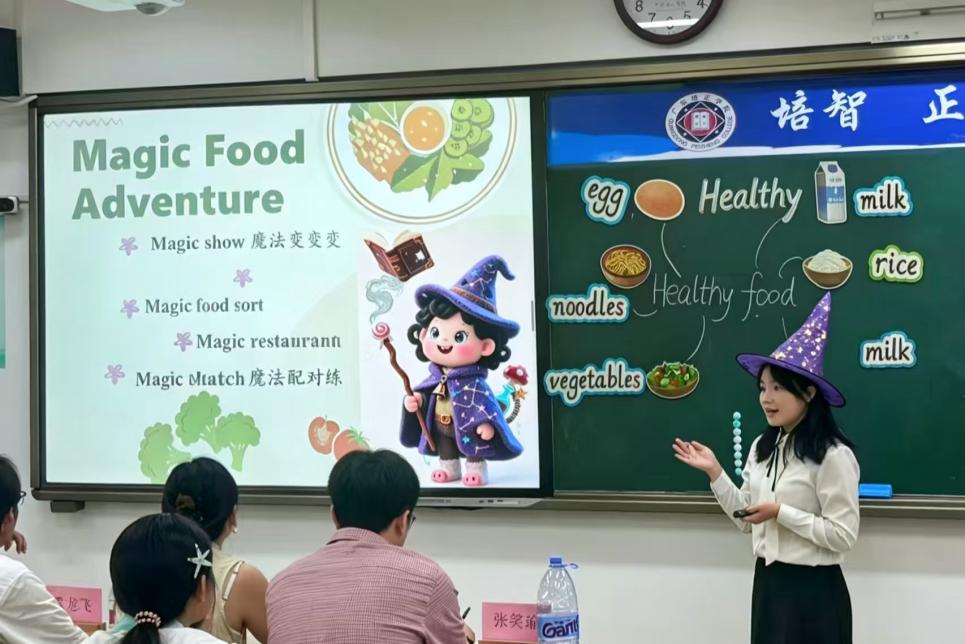

Student Participation in Professional Competitions