


Network and New Media Program
Against the backdrop of rapid iterations in digital communication and AI-empowered media development, the Network and New Media Major is grounded in the core theories of Journalism and Communication. Closely tailored to the talent demands of the media, internet and digital marketing industries in Guangdong Province, the major features two core strengths: industry-education integration for practical talent cultivation and a high-caliber faculty with outstanding academic research achievements. Focused on fostering students’ digital and intelligent new media competencies, the major builds a training platform for application-oriented, interdisciplinary and innovative media talents, enabling students to keep pace with industry frontiers and achieve high-quality employment and sustainable career development.
Ⅰ. Major Orientation & Training Objectives
As a discipline under the Journalism and Communication category, Network and New Media is an emerging major developed to adapt to media transformation in the digital era. Centered on internet and AI-powered technologies, it is interdisciplinary, highly practical and application-oriented. Rooted in Guangdong, the major precisely responds to regional market demands for media convergence, new media content production and digital operation management. It cultivates high-level application-oriented talents who possess solid journalism and communication knowledge, as well as comprehensive capabilities in new media operation, content creation, data mining and product planning for the digital intelligence age.
Graduates are capable of in-depth content creation, short video and live stream planning, public opinion analysis, and new media product design, operation and management. They are well qualified for diverse positions in integrated media platforms, internet enterprises, e-commerce institutions, and publicity and promotion departments of enterprises and public institutions.
Ⅱ. Core Curriculum System
Aligned with industrial job competency requirements, the major has established a three-in-one curriculum system covering “theoretical foundation, practical skills and digital intelligence innovation”. Core courses include Introduction to Communication Studies, Non-linear Editing, Convergent Journalism, New Media Product Design and Project Management, Online Public Opinion Monitoring and Analysis, Short-video Operation and Content Creation, Online Live Streaming, AIGC Video and Creativity, and Micro-drama Creation.
Closely following industry trends such as AI-enabled media, short videos and micro-dramas, the major integrates cutting-edge technologies and emerging business models into daily teaching, ensuring that classroom learning stays synchronized with industrial development.
Ⅲ. Faculty & Academic Research Advantages
The major boasts a well-educated, reasonably structured teaching team with strong research capabilities. It has 13 full-time faculty members, including 3 associate professors, 1 PhD holder and 2 PhD candidates. 100% of the faculty hold a master’s degree or above, with diverse academic backgrounds, rich teaching experience and broad industrial vision.
In the past two years, the faculty has achieved fruitful results in scientific research and teaching reform. Members have undertaken 2 provincial-level research projects and 1 municipal-departmental project, participated in 2 provincial higher education teaching reform projects, and presided over multiple university-level research and teaching reform projects, with more than ten academic papers published. High-level research achievements are integrated into teaching, ensuring the professional depth and frontier nature of courses and providing solid academic support for student training.
Ⅳ. Core Advantages of Practical Education (Two Highlighted Features)
Feature 1: In-depth Industry-Education Integration to Build an Integrated Practical Training Platform
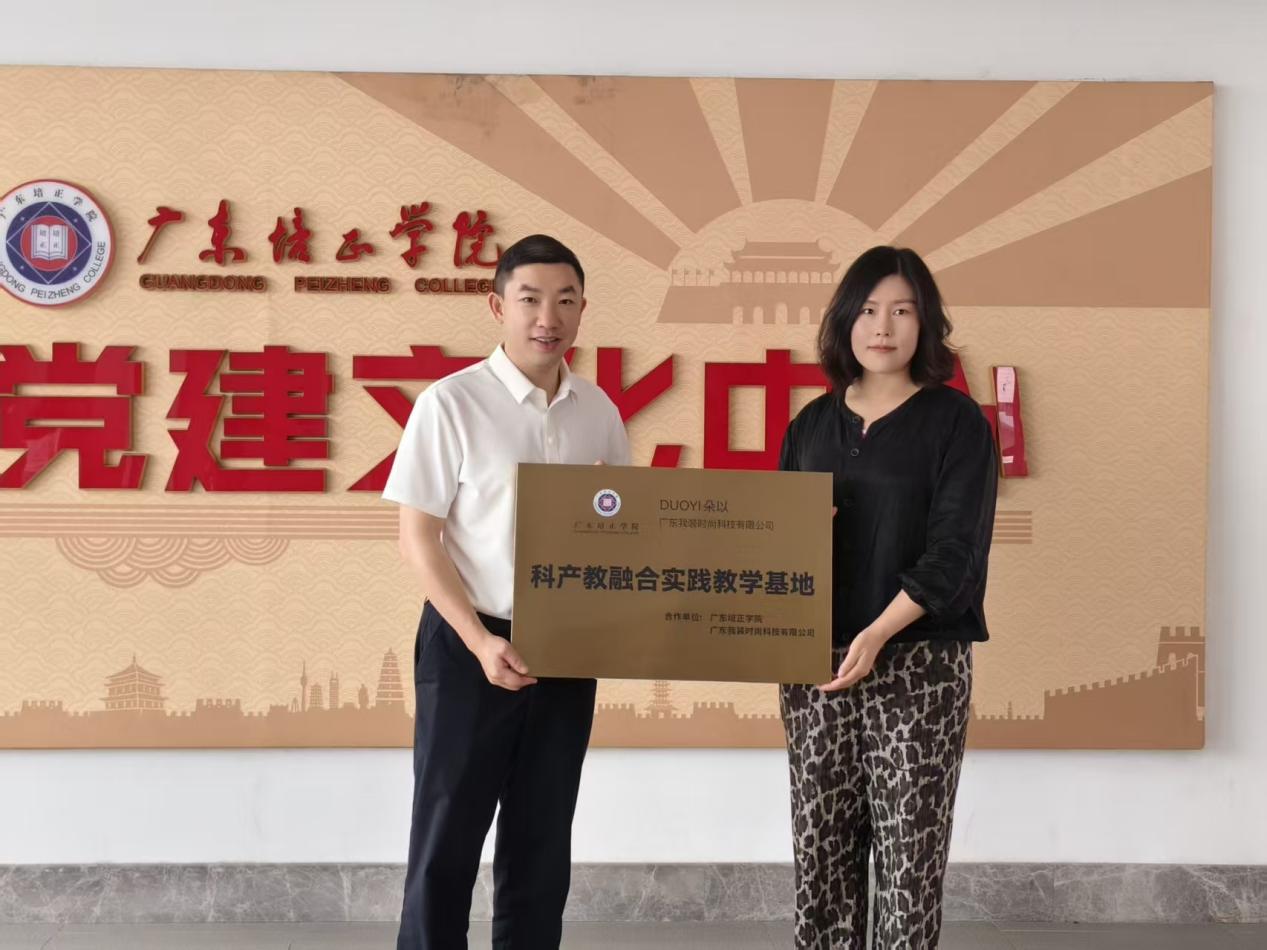
The major deeply promotes industry-education integration. It actively connects with high-quality industrial resources and establishes off-campus practical training bases in cooperation with local new media institutions and internet technology enterprises, bridging the gap between classroom teaching and industrial practice.
On campus, exclusive student studios have been set up. Driven by real commercial projects, an on-campus startup team has been incubated. The major has innovatively constructed a three-level integrated practical training system of “project participation → on-campus practice → enterprise internship”. Students engage in real-world projects including new media operation, short video shooting, live stream planning and brand promotion, enabling on-site vocational training on campus. This mechanism effectively improves students’ practical new media skills and comprehensive professional literacy.
Feature 2: Well-equipped Training Facilities & Competition-driven Learning to Enhance Competencies
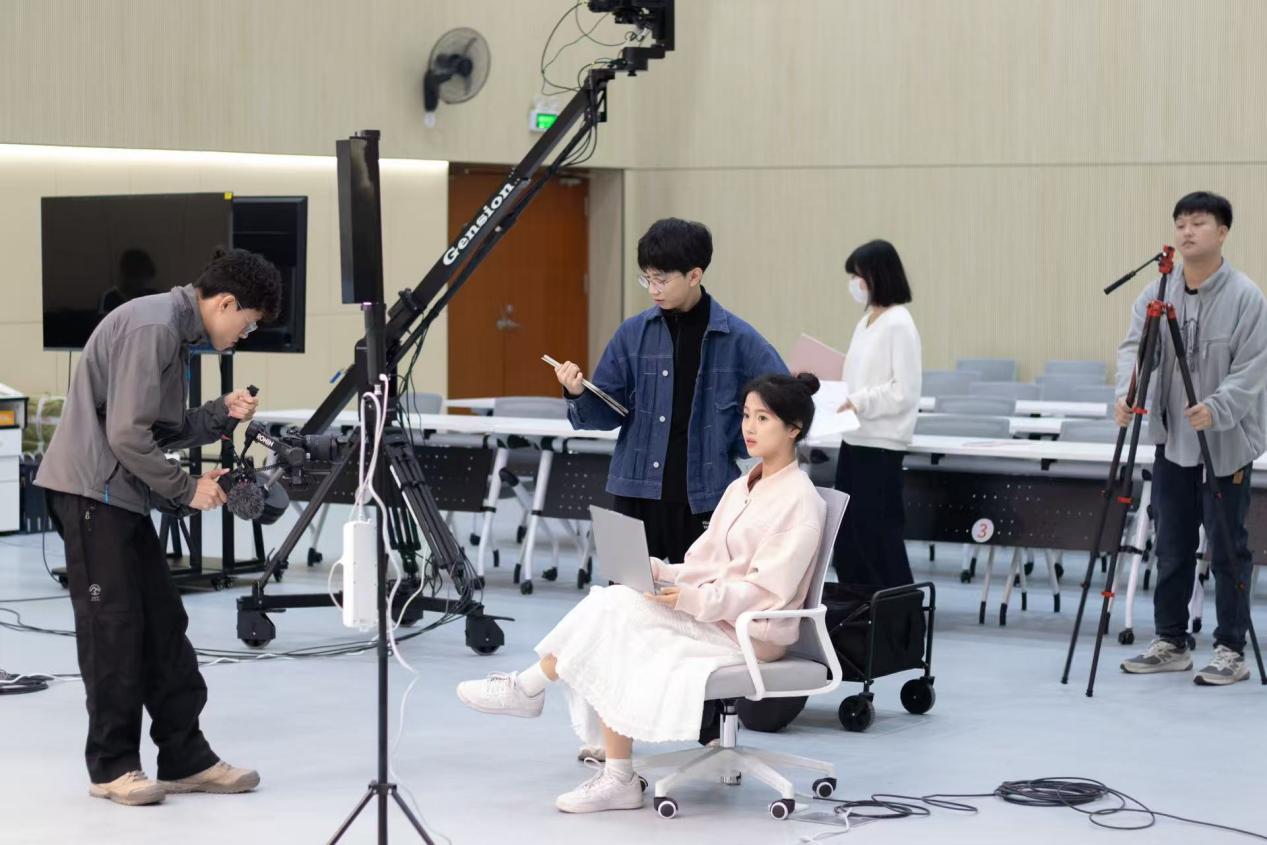
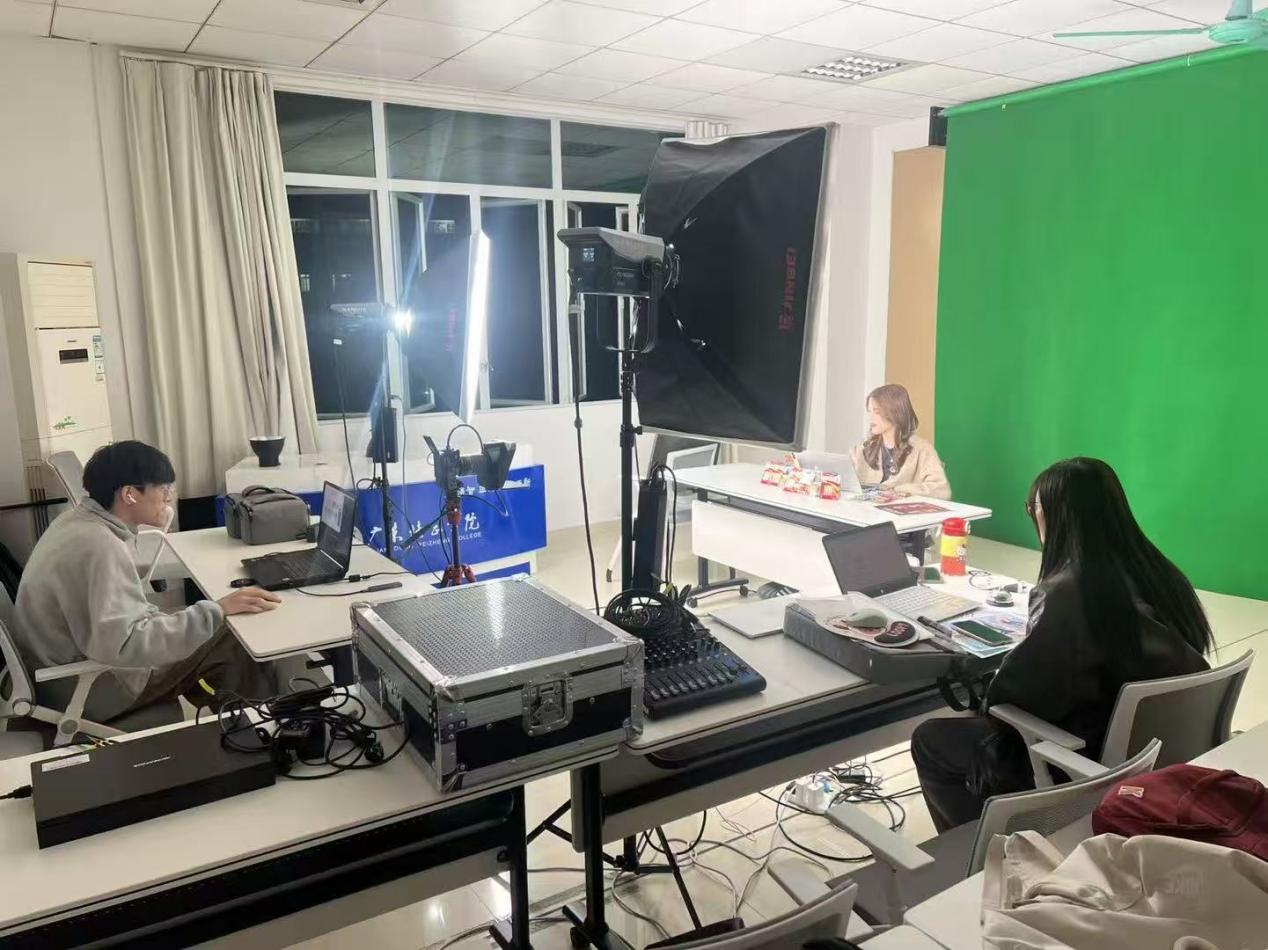
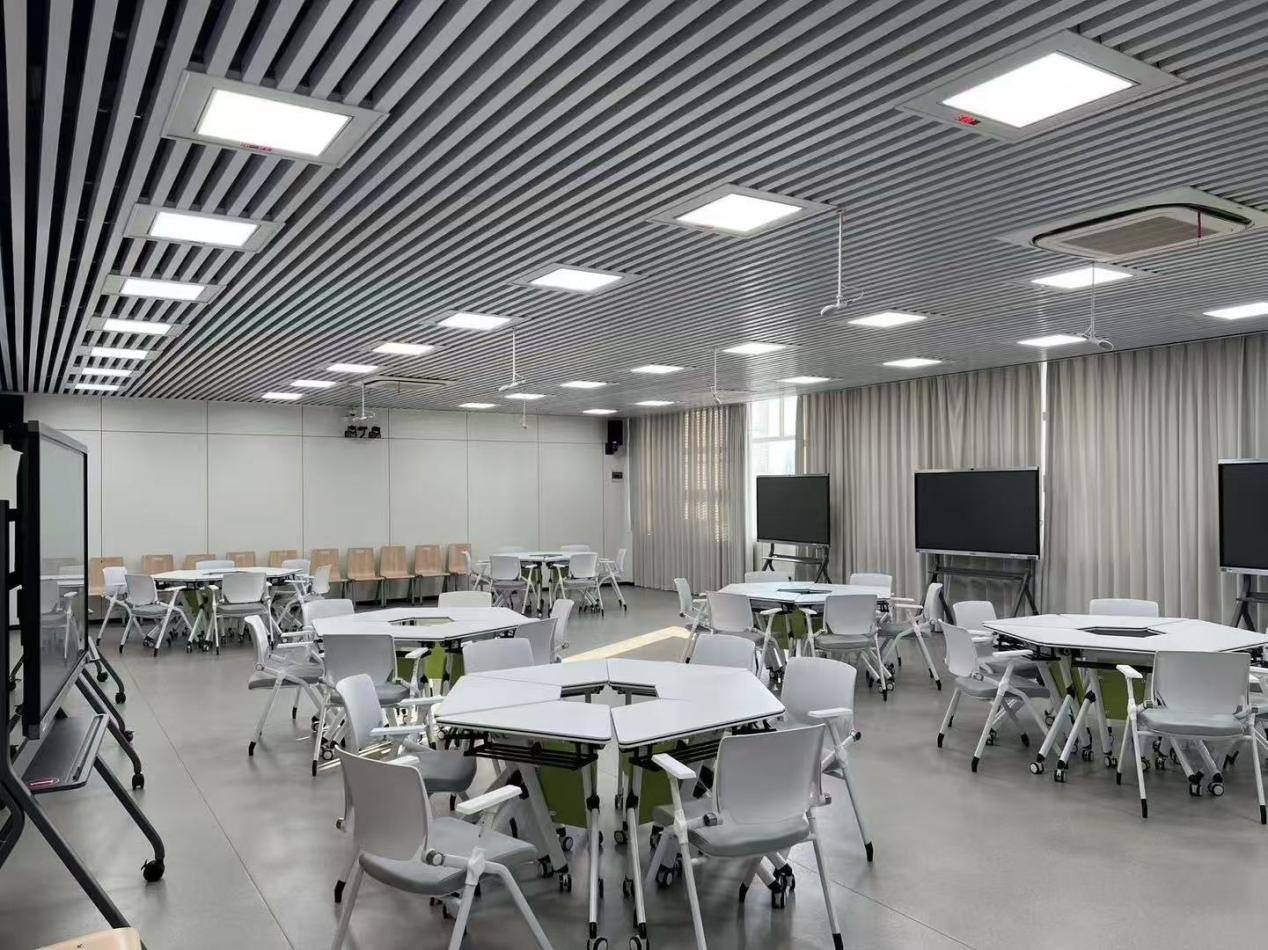
Supported by discipline development funding, the major is equipped with comprehensive professional facilities, including non-linear editing training rooms, new media studios, live streaming training cabins, AIGC creative laboratories and public opinion analysis centers. All hardware facilities comply with industrial standards, supporting full-process practical training covering short video editing, live streaming sales, video shooting, data analysis and AI-powered creative production.
Meanwhile, guided by various high-level competitions in media, new media, short video creation and innovation and entrepreneurship, students are actively encouraged to participate in provincial and municipal new media competitions, short video creation contests, the Internet Plus Innovation and Entrepreneurship Competition, and digital marketing competitions. Adopting a competition-driven learning model, the major effectively stimulates students’ enthusiasm for learning and innovative practice. Students have won numerous awards in various events, and their creative works have gained wide industrial recognition, substantially improving their comprehensive practical capabilities and innovative competitiveness.
Ⅴ. Employment Prospects & Development Directions
Boasting extensive employment coverage and strong job adaptability, graduates are eligible to work in online new media institutions, integrated media centers, e-commerce enterprises, digital marketing companies and internet technology firms. They can take up roles such as internet product manager, big data public opinion analyst, new media operator, short video and live stream planner, digital content producer and brand promoter. Benefiting from the advanced internet industry and thriving new media sector in Guangdong, students have access to diverse employment channels and promising career development prospects.
Ⅵ. Academic Degree
Students who meet the official graduation requirements will be awarded a Bachelor of Arts degree upon graduation.