


Labor and Social Security Program
Background & Vision
This program proactively addresses the demands of modern social governance and demographic transformation, tackling real-world challenges such as emerging employment models, deepening social security reforms, and accelerating population aging. With advancements in corporate compliance and social welfare systems, there is an urgent market demand for interdisciplinary professionals with expertise in law, management, and digital literacy. Characterized by its "integration of legal and managerial frameworks with a practice-oriented approach," the program focuses on three key areas: smart social security systems, labor relations, and elderly care services. It establishes a three-dimensional competency framework encompassing legal foundations, digital tools, and practical operations, aiming to cultivate practice-oriented professionals who understand policies, excel in business operations, and deliver effective services.
Objectives
We cultivate well-rounded professionals with comprehensive development in moral, intellectual, physical, aesthetic, and labor education, who possess solid legal literacy in labor affairs and systematic expertise in social security. Students will not only master professional theories such as labor relations coordination, social security policies, and elderly care service management, but also skillfully apply legal thinking and management competencies to undertake practical work in areas including corporate compliance in employment practices, resolution of labor disputes, social security administration, elderly care service management, and cross-border livelihood governance within the Greater Bay Area. Their contributions aim to promote standardized labor relations and specialized elderly care services in the region, thereby supporting the modernization of regional livelihood protection and social governance.
Graduates can pursue careers in the following fields: Smart Social Security, Labor Relations Coordination, and Elderly Care Service Management.
Program Highlights and Career Prospects
Distinctive Features
Industry Alignment:
Smart Social Security: Enhances students' capabilities in social security administration, policy application, and digital operations management for human resources and social security, preparing them for social security management roles across various organizations.
Labor Relations Coordination: Equips students with practical skills to resolve labor disputes, ensure employment compliance, and mitigate risks using legal frameworks.
Elderly Care Service Management: Focuses on the region's elderly care industry demands, cultivating versatile professionals proficient in social security policies and elderly care operations to elevate regional elderly care services and grassroots governance.
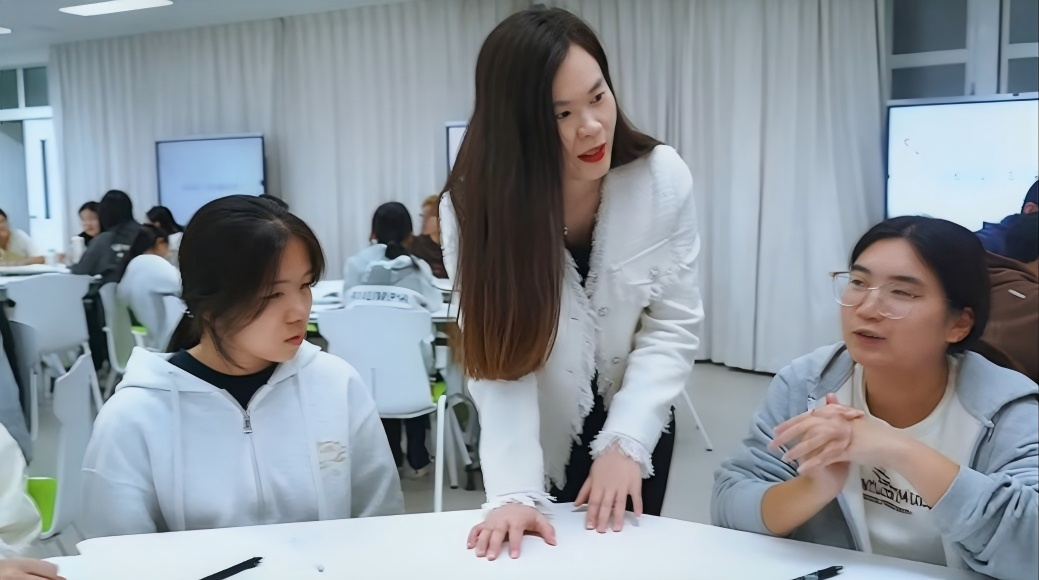
Fig. 1 Discussion on Employee Benefits Plan
Elite Faculty: The faculty covers core fields such as labor law, social security, elderly care management, and digital human resources and social security management, demonstrating distinct interdisciplinary strengths. Most instructors possess frontline industry experience and are well-versed in the policies, regulations, and job requirements of the Greater Bay Area. They deliver instruction based on cutting-edge policies and real-world cases, ensuring precise alignment with industry job standards.
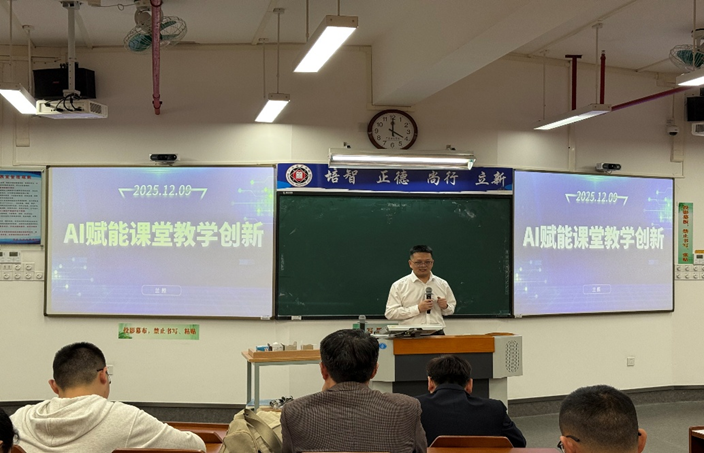
Fig. 2 Themed Salon: "AI-Enabling Teaching Innovation"
Practice-Oriented Education: Focusing on practice-oriented education, the program closely aligns with three core employment directions, emphasizing applied training. It provides targeted practical instruction in labor relations, smart social security systems, and elderly care services, with a focus on cultivating students' capabilities in legal application, digital operations, and service management. This ensures precise alignment between talent development and employment opportunities in the Greater Bay Area.
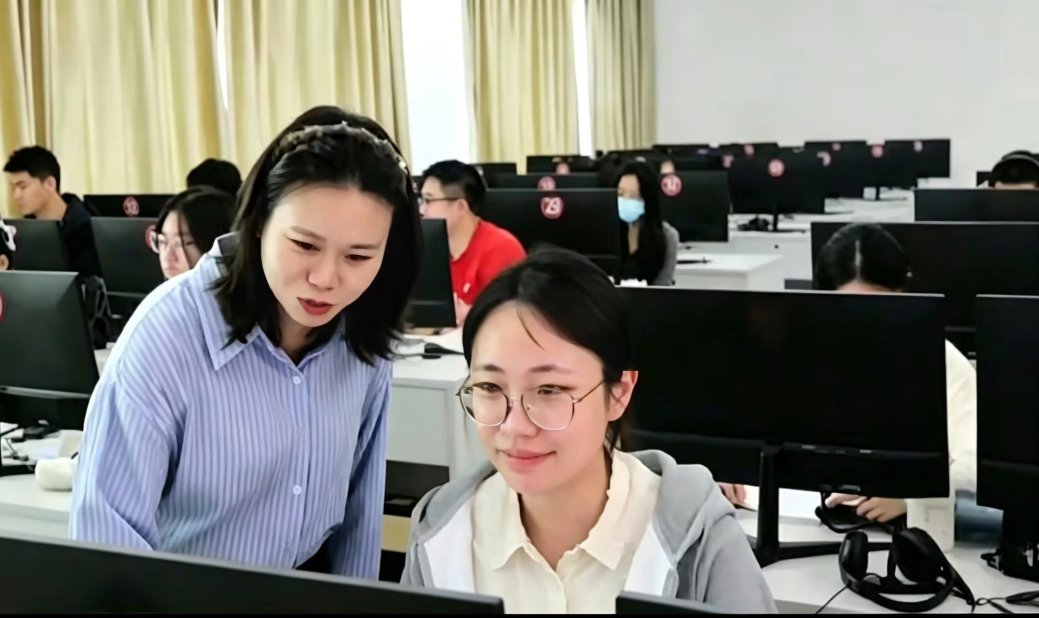
Fig. 3 Practical Application of Smart Social Security
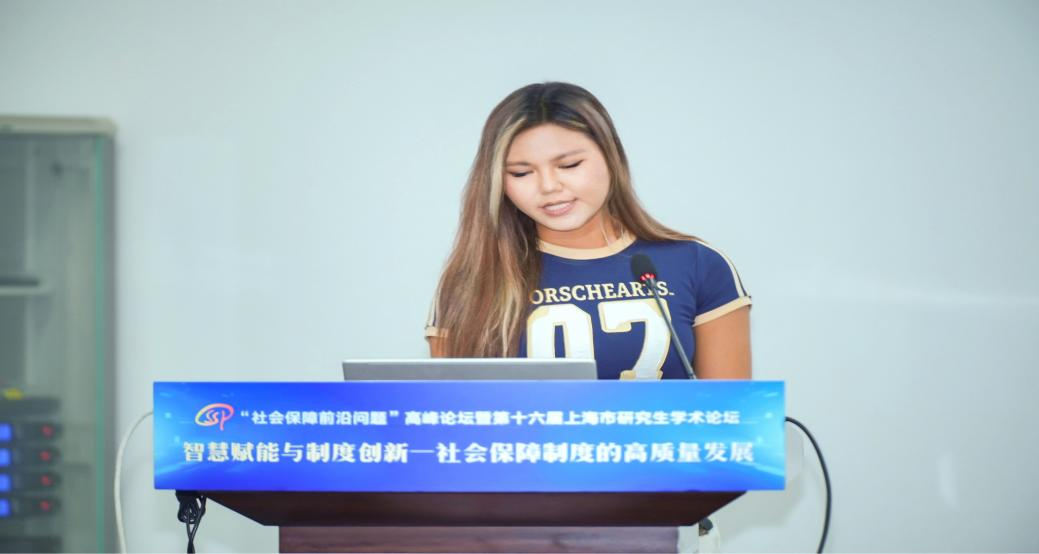
Fig. 4 A student delivering a speech at the High-Level Forum on Cutting-edge Issues in Social Security
Curriculum Highlights
Smart Social Security: Social Security, Social Security Fund Management, Compensation Management, Social Security Data Analysis, Data-Driven Public Policy Analysis, and Smart Social Security Operations.
Labor Relations Coordination: Labor Relations Theory, Social Insurance, Labor Law and Social Security Law, Labor Contract Management, Employee Relations Management, Collective Contracts and Collective Negotiation, and Practical Labor Dispute Resolution.
Elderly Care Service Management program: Social Work, Social Welfare and Social Assistance, Introduction to Elderly Care Service Management, Comprehensive Evaluation of Elderly Care Services, Operation and Management of Elderly Care Institutions, Community-Based Elderly Care Management, Introduction to Smart Health and Wellness Management, and Practical Training in Elderly Care Services.
Career Prospects
Employment and Entrepreneurship:
Smart Social Security: Graduates can work in social security administration, compensation management, and digital human resources management at human resources and social security departments, enterprises, institutions, and grassroots platforms. They may also leverage their professional skills to provide entrepreneurial services such as corporate social security agency services and HR policy consultation.
Labor Relations Coordination: Graduates can work in various enterprises, public institutions, and social organizations, engaging in employment compliance management, labor-management coordination, labor dispute resolution, and human resources risk control. They may also provide entrepreneurial services such as labor consulting and corporate employment compliance guidance.
Elderly Care Service Management: Graduates can engage in elderly care operation management, senior service provision, and grassroots elderly governance within nursing homes or community-based elderly care service platforms. They may also initiate entrepreneurial projects related to community-based elderly care or home-based elderly care services in response to industry demands.
Further Study:
Graduates may pursue master's programs at top universities including the City University of Hong Kong, South China University of Technology, and Shanghai University of Engineering Science.
Civil Service:
Graduates may seek positions in the human resources and social security system, civil affairs departments, judicial authorities, and grassroots street/community organizations, as well as relevant roles in various public institutions involving social security, labor relations management, grassroots livelihood services, and elderly care management.
Core Curriculum:Professional Core + Industry Module
| Course Category | Representative Course |
| Professional Core | Labor Law and Social Security Law; Social Security Fund Management; Employee Relations Management; Labor Contract Management; Operation and Management of Elderly Care Institutions; Smart Health and Wellness Service Management |
| Industrial Application | Practical Approaches to Labor Dispute Resolution, Hands-on Implementation of Smart Social Security Systems, Practical Training in Elderly Care Service Management, Compensation Management |
| Governance Service Capability | Social Security Risk Management; Collective Negotiation and Collective Contracts; Organizational Conflict and Crisis Management; Comprehensive Evaluation of Elderly Care Services; Community-Based Elderly Care Management |
| Professional Empowerment | Preparation guidance for Labor Relations Coordinator certification; Human Resource Manager certification courses; civil service examination guidance; entrepreneurial incubation programs for elderly care-related projects; workshops on labor and employment compliance practices |
Industry Partnerships
Our “Three Practices” pedagogical model integrates in-class exercises, post-class observation, and external internships. Highlights include:
Industry-Co-developed Courses: "Practical Labor Dispute Resolution" and "Senior Care Service Training" are offered, featuring instruction by industry veterans who conduct hands-on training through real-world scenarios to ensure seamless alignment between professional skills and industry standards.
Strategic Partnerships: We have maintained 15+ stable internship and employment bases. We maintain long-term partnerships with human resources service centers, labor arbitration institutions, HR agencies, senior care facilities, and law firms. Through co-established practice bases and shared training programs, students systematically engage in professional observations and internships, gaining frontline experience in authentic work environments to enhance their career competencies.
Specialized Laboratories: By leveraging the Virtual Simulation Laboratory for Labor and Social Security, the program develops standardized training scenarios—including labor dispute resolution, smart social security administration, and elderly care operations—to support students in completing core practical tasks such as compliance risk management, social security operations, and elderly care management, solidifying their operational expertise.
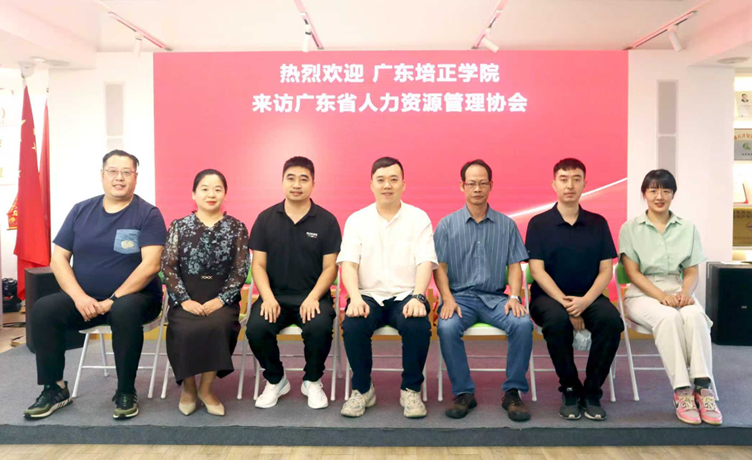
Fig. 5 Negotiation with Guangdong Provincial Human Resources Association on Establishing an Industry-academia Collaborative Program
The Peizheng Arbitration Circuit Court: A Distinctive Initiative
The Peizheng Arbitration Circuit Court, established in collaboration with the Guangzhou Huadu District Labor and Personnel Dispute Arbitration Commission, represents a collaborative innovation initiative between the university and local institutions. It not only provides students with an "immersive" practical platform but also, empowered by AI technology, opens a new chapter in legal talent cultivation.
Signature Partnerships: Huadu District Labor and Personnel Dispute Arbitrator Institute Internship Program, Conghua District Labor and Personnel Dispute Arbitration Institute Internship Program, Guangzhou Elderly Care Home Internship Program, Guangzhou Danke Network Technology Co., Ltd. Internship Program, and Guangzhou Kexun Enterprise Management Service Company Internship Program.
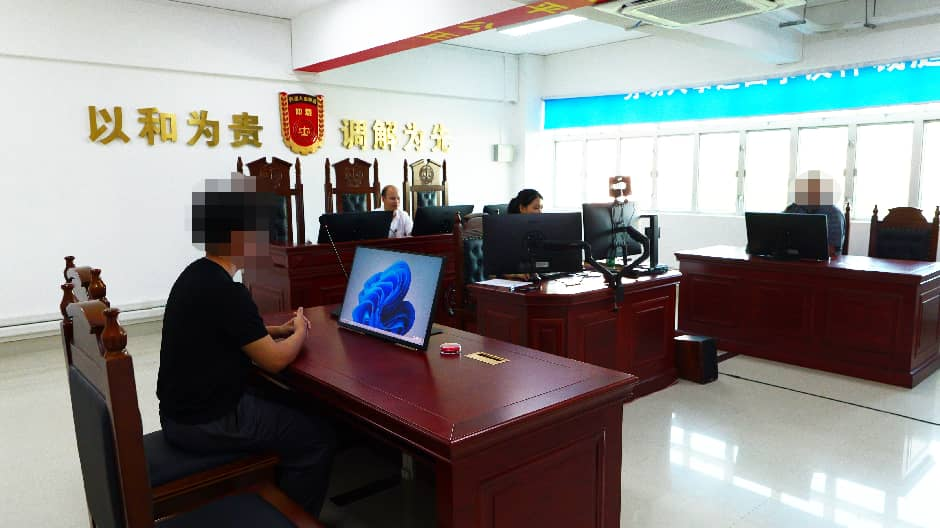
Fig. 6 The hearing took place at the Peizheng Arbitration Circuit Court
Contact Us
School of Law, Guangdong Peizheng College
Address: No. 53 Peizheng Road, Chini Town, Huadu District, Guangzhou, Guangdong Province, China 510830
Website: https://law.peizheng.edu.cn
We Chat Official Account: 广东培正学院法学院
Useful Links
Supreme People's Court of the People's Republic of China: https://www.court.gov.cn
Ministry of Justice of the People's Republic of China: http://www.moj.gov.cn
All China Lawyers Association: http://www.acla.org.cn
National Laws and Regulations Database: https://flk.npc.gov.cn