


Law Program
Program Overview
Established in 1999, the Law program at Guangdong Peizheng College launched its undergraduate program in 2005 and was granted the right to award bachelor’s degrees in 2009. It was recognized as a university-level Featured Major in 2012 and designated as a university-level Key Discipline in 2021, standing as one of the college’s traditional, competitive, and prestigious majors.
Based in the Guangdong-Hong Kong-Macao Greater Bay Area, the program features a distinctive "Law + Business + Management" interdisciplinary model. It is tailored to meet the demand for grassroots legal justice, modern legal services, and corporate compliance, cultivating high-quality applied legal professionals with both moral integrity and professional competence.
The program currently has about 1,500 full-time students, with high-quality incoming students, a high first-preference application rate, and competitive admission scores.
Educational Objectives
We nurture students who have firm ideals and convictions, moral integrity, and legal professionalism, and who systematically master legal theories and current laws and regulations. Our graduates are equipped with strong practical legal skills, including legal document drafting, courtroom advocacy, and compliance risk control capabilities. They are qualified to practice in judicial and procuratorial organs, judicial administrative authorities, arbitration institutions, law firms, corporate legal departments, and social organizations, supporting the development of the rule of law in the Greater Bay Area.
Program Features and Strengths
1. Law-Business Integration, Aligned with Talent Demands in the GBA
We have developed a "Law + Economics & Trade + Management" interdisciplinary talent training system centered on three core tracks:
Civil and Commercial Legal Practice: Covers contract, corporate, property, and tort laws, addressing common corporate legal needs.
SME Compliance: Builds expertise in compliance, risk control, and labor management for small and medium-sized enterprises.
Foreign-Related Legal Affairs: Supported by the college’s foreign language and international resources, geared toward cross-border trade and cross-border dispute resolution.
2. Dual-Qualified and Practice-Oriented Faculty
The Law program has 53 full-time faculty members and 10 part-time instructors:
15 hold senior professional titles, 10 hold doctoral degrees, and over 70% possess lawyer's practice licenses.
13 are dual-qualified faculty with both academic backgrounds and practical legal experience.
Most faculty graduated from prestigious universities such as Sun Yat-sen University and Southwest University of Political Science and Law; 14 have overseas study experience.
We invite judges and senior lawyers as part-time professors to participate in teaching and provide practical guidance.
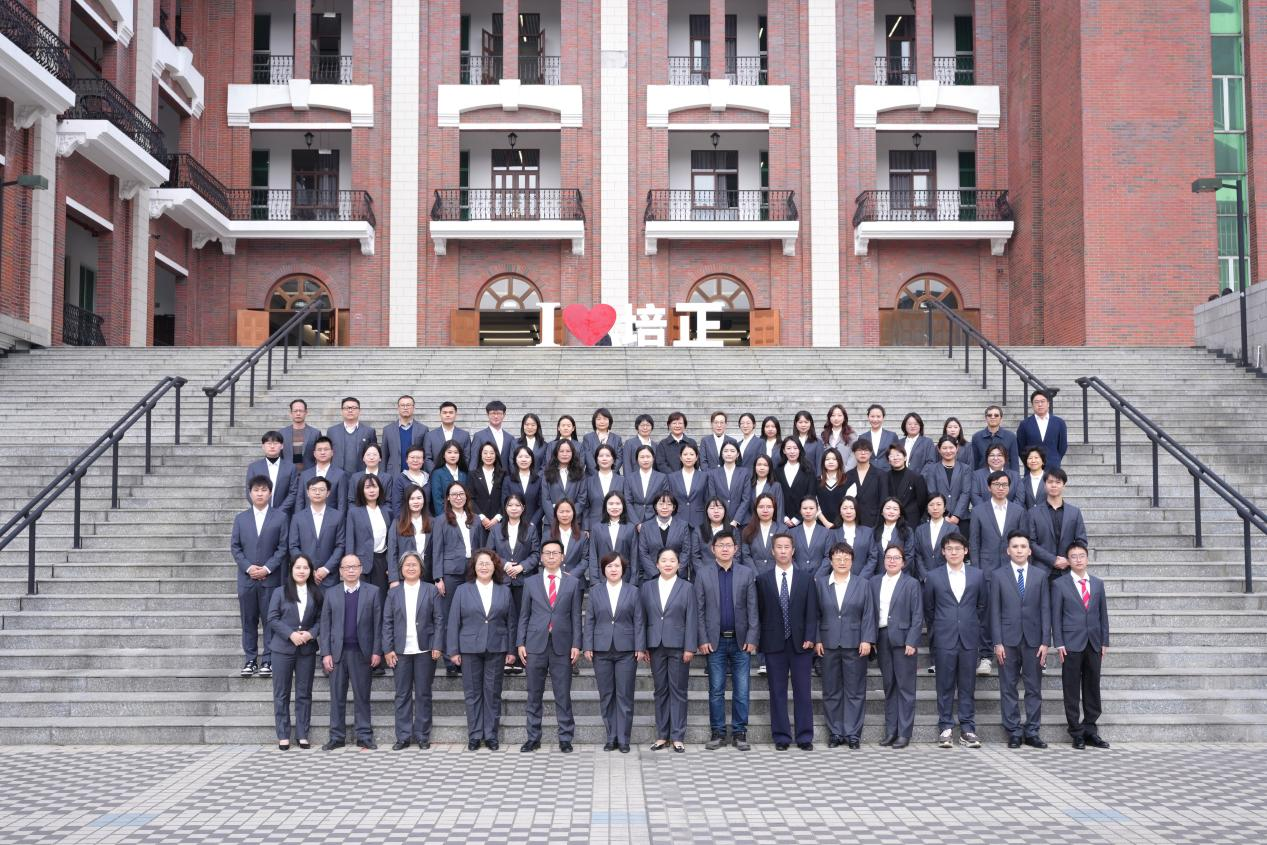
Fig.1 Full-time faculty members of the Law Program
3. Full-Process Practical Training System
We adopt an integrated talent training model: Classroom Teaching → Simulation Training → On-site Internship.
On-campus facilities include 5 professional laboratories: Moot Court, Legal Clinic, Judicial Stenography Lab, and Corporate Non-Litigation Practice Room.
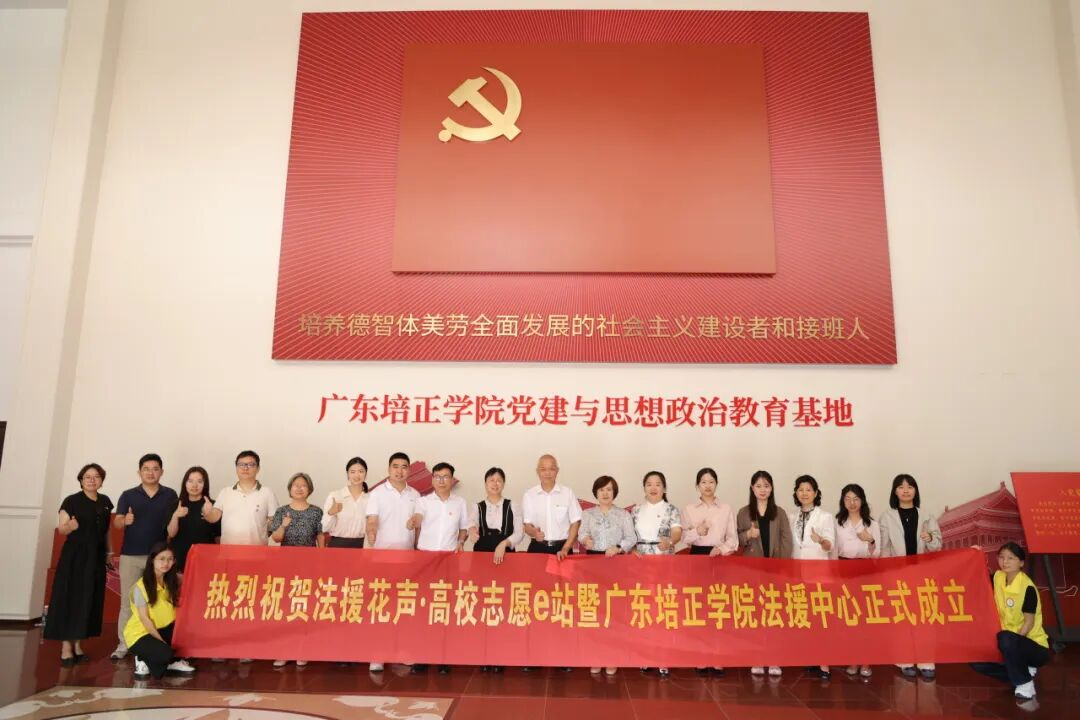
Fig.2 Guangdong Peizheng College and Huadu District Bureau of Justice jointly established Huadu District's first college-level legal aid volunteer service station.
Off-campus, we have 31 stable internship bases in partnership with district courts, procuratorates, law firms, and other institutions.
Regular practical activities include moot court competitions, legal debate contests, court observation, legal aid services, and public legal consultation.
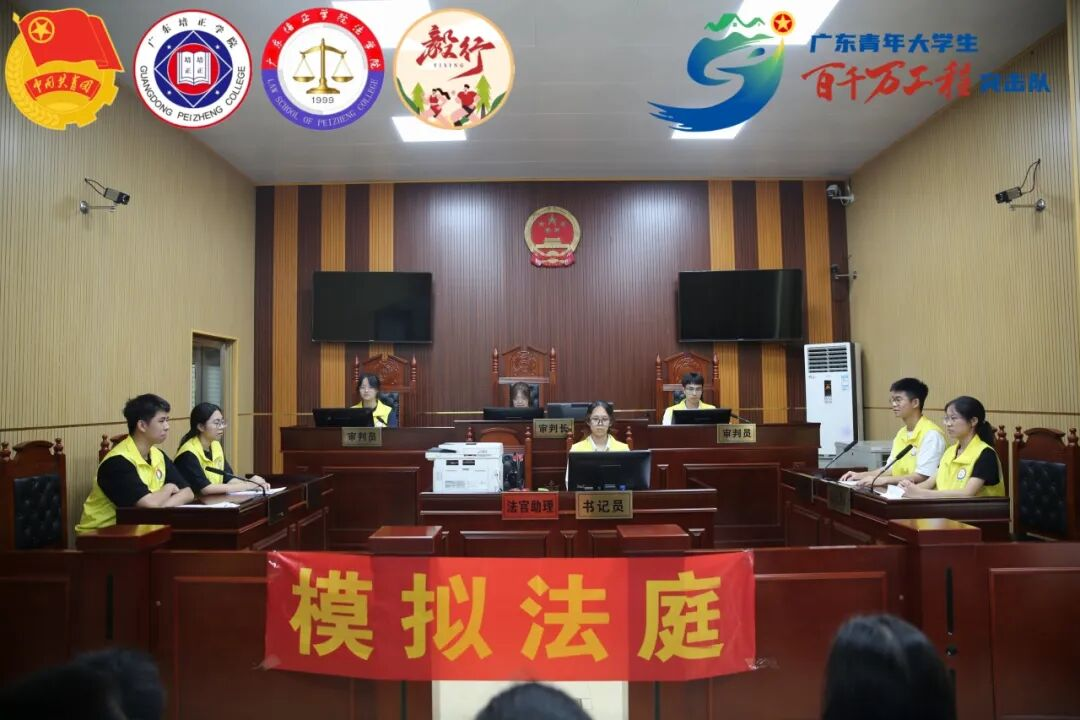
Fig.3 Faculty and students from Guangdong Peizheng College held a moot court event at Dongpo People's Court, Lianzhou City, Qingyuan City.
4. Outstanding Performance in Legal Qualification Exam, Employment and Further Study
The pass rate of for the National Legal Professional Qualification Examination has remained above 30% for three consecutive years, reaching 35.5% in 2022 — significantly higher than the national average.
A number of graduates have been admitted to master's degree programs at renowned universities such as Jinan University and Southwest University of Political Science and Law.
The annual employment rate has consistently remained above 95%, with graduates enjoying stable career development.
Core Curriculum
We adopt the national standard "1+10+X" curriculum system with a practice-oriented design:
Disciplinary Foundation Courses: Introduction to Xi Jinping Thought on the Rule of Law, Jurisprudence, Constitutional Law, General Provisions of the Civil Code, Criminal Law I.
Professional Core Courses: History of the Chinese Legal System, Criminal Law II, Administrative Law and Administrative Litigation Law, Civil Procedure Law, Criminal Procedure Law, Economic Law, Intellectual Property Law, International Law, Legal Professional Ethics.
Specialized Module Courses:
Legal Affairs: E-Commerce Law, Corporate Law, Corporate Compliance Practice, Labor and Social Security Law.
Judicial Practice: Evidence Law, Mediation: Systems and Practice, Criminal Psychology, Legal Document Writing.
Foreign-Related Legal Affairs: Private International Law, International Economic Law, Foreign-Related Legal Practice, Cross-Border Commercial Dispute Resolution.
Practical Teaching and Industry-Education Integration
1. Training Platforms
Professional laboratories include: Moot Court, Comprehensive Legal Practice Simulation Lab, Judicial Stenography Lab, Non-Litigation Practice Lab, and Rural Revitalization Legal Service Center.
Learning resources include over 58,000 professional books and electronic legal databases to support teaching, research, and student learning.
2. University-Government-Enterprise Collaboration
We cooperate with courts, procuratorates, judicial bureaus, and arbitration commissions for practical teaching and internship programs.
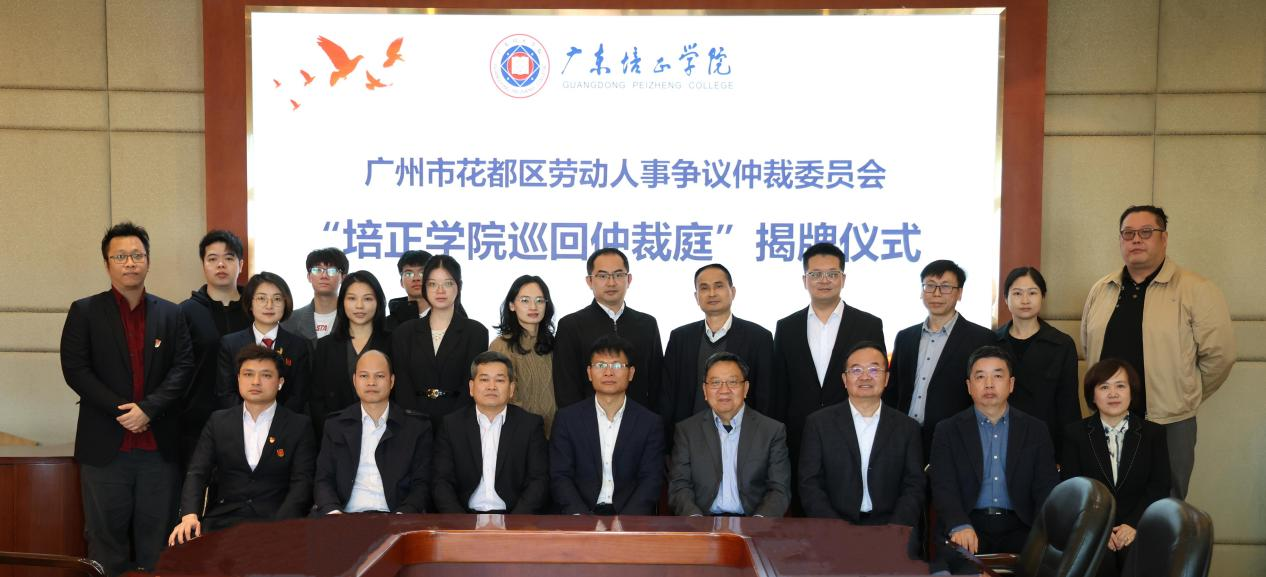
Fig.4 Guangdong Peizheng College Circuit Arbitration Tribunal, jointly built jointly established with Guangzhou Huadu District Labor and Personnel Dispute Arbitration Commission
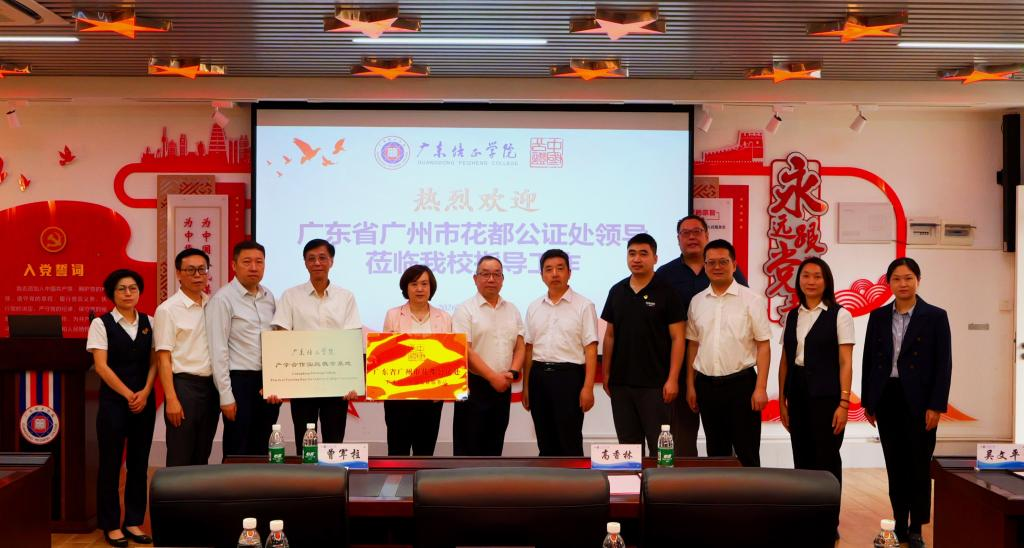
Fig.5 Internship Base Agreement Signing with Guangzhou Huadu Notary Public Office
We jointly develop practical courses, case study seminars, and on-site internship programs with law firms and corporate legal departments.
We organize long-term legal volunteer services, community legal outreach, and corporate compliance consulting services.
3. Competition-Driven Learning
Students participate in high-level competitions including such as the National Moot Court Competition, Legal Debate Competition, and Legal Professional Skills Competition to enhance their critical thinking, communication skills, and courtroom performance.
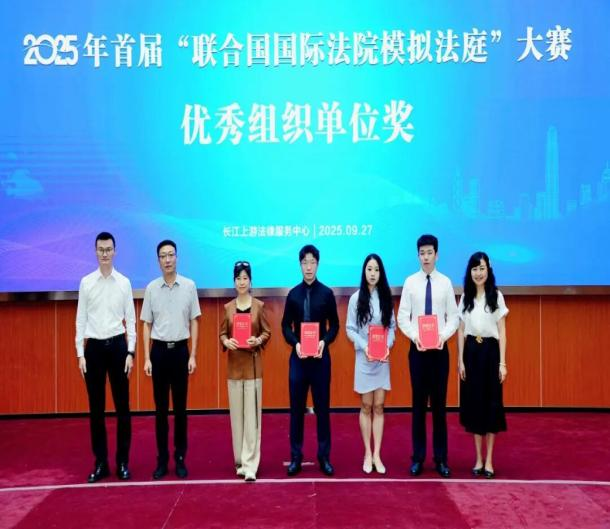
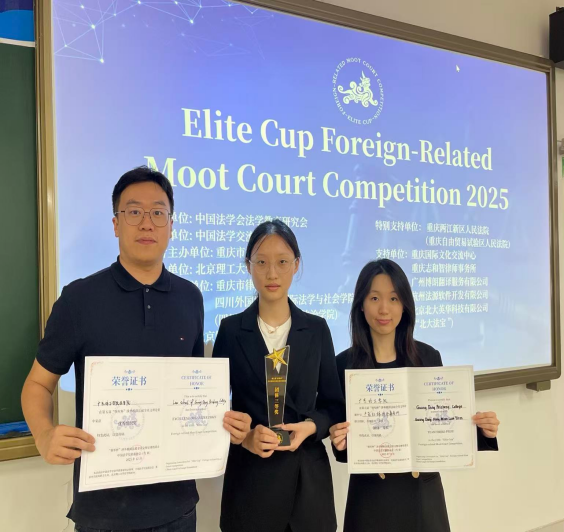
Figures 6-7: Multiple awards won at the inaugural National Moot Court Competition on the United Nations International Court of Justice
Research and Discipline Platforms
Research platforms include the Research Center for Legal Theory and Practice of in the Greater Bay Area and the Party Regulations Research Center.
Faculty achievements include 2 projects funded by the Ministry of Education, more than 20 provincial-level projects, over 50 papers published in core journals, as well as numerous monographs and textbooks.
We regularly host academic forums and rule of law lectures to foster a vibrant academic atmosphere and broaden research horizons.
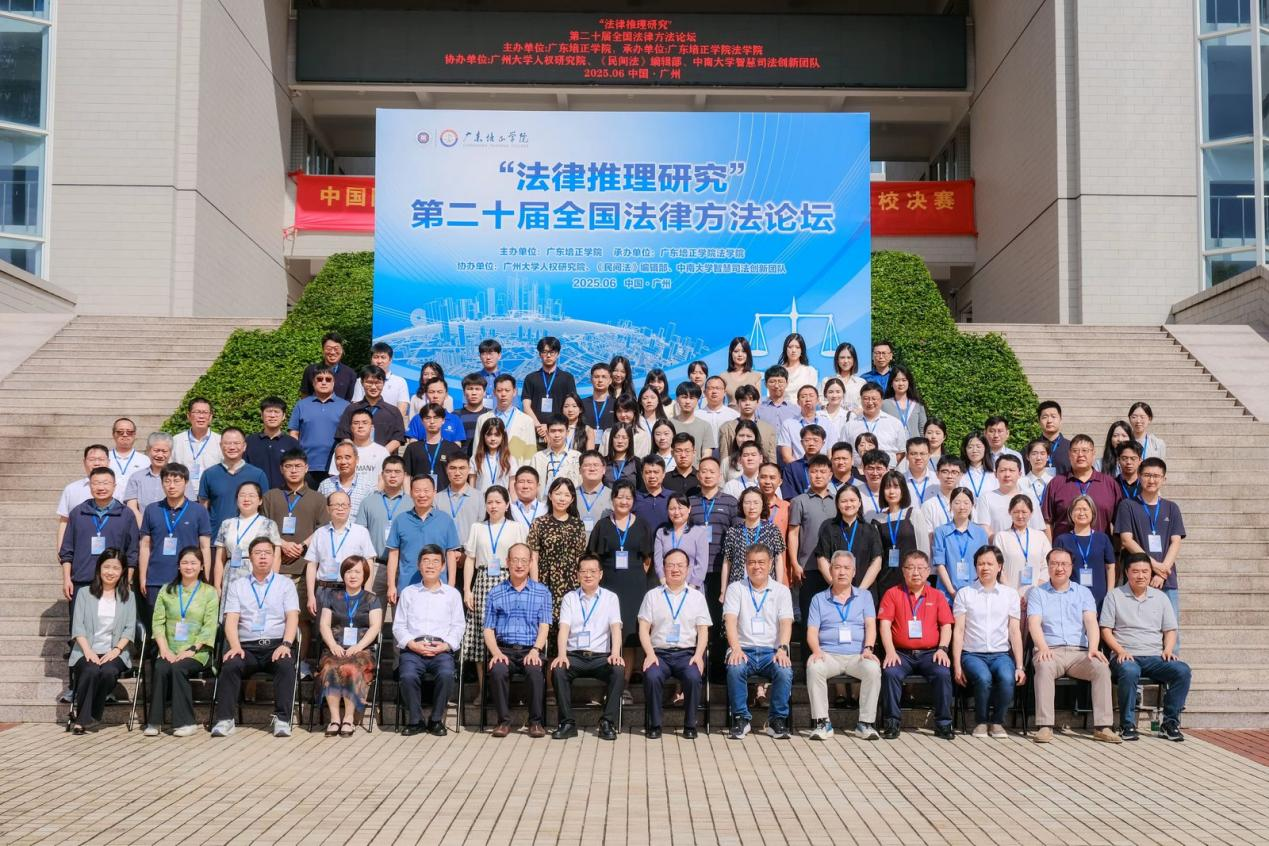
Fig.8 The 20th National Forum on Legal Methodology
Career Prospects and Development
Main Career Paths
Judicial and Administrative Organs: Civil service posts positions in courts, procuratorates, justice bureaus, and public security organs.
Legal Services: Law firms, notary offices, arbitration institutions, and mediation organizations.
Corporate Legal Affairs: Compliance, risk control, in-house counsel, and intellectual property management roles in enterprises.
Grassroots Legal Posts Positions: Judicial offices, community legal services, legal aid, and rule of law public education.
Further Study and International Development
Domestic postgraduate studies: Master of Laws (LL.M.) and Juris Master (J.M.) programs in fields including theoretical law, civil and commercial law, economic law, and international law.
Overseas study: Master’s programs in law, international relations, and cross-border commerce, supported by the college’s international cooperation resources.
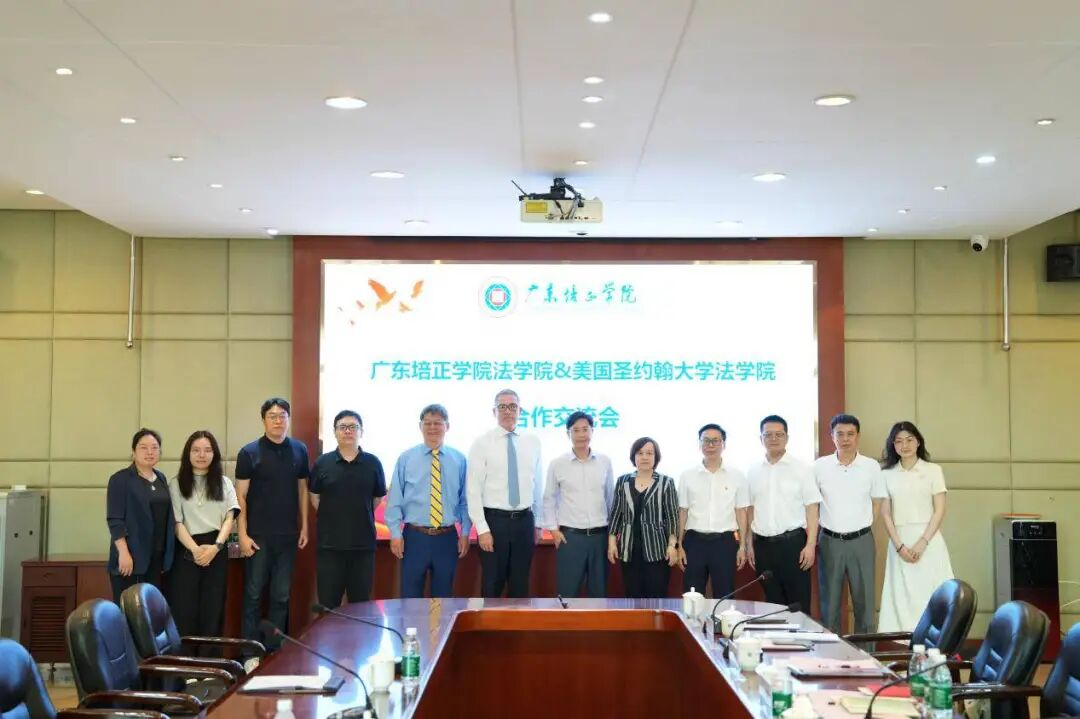
Fig.9 Cooperation and Exchange Event with the School of Law, St. John's University
Professional competency development is centered on the legal professional qualification exam, complemented by training in legal English, corporate compliance, and intellectual property skills.
Why Choose Law at Peizheng
Prime GBA Location: Situated in the Greater Bay Area, we benefit from strong demand for legal talent, with broad employment and career advancement opportunities.
Law-Business Integration: Beyond pure legal knowledge, we cultivate interdisciplinary "Law + Business + Management" talent in high demand by enterprises.
Strong Practical Focus: Our dual-qualified faculty, full-process practical training, and stable internship bases ensure graduates are practice-ready upon graduation.
Legal Qualification Exam Advantage: Our high pass rate supports paves the way for clear career paths in civil service, legal practice, and corporate legal affairs.