

Environmental Design Program
I. Program Overview
The Environmental Design Program (Top-up Bachelor's Degree) is grounded in the construction of the Guangdong-Hong Kong-Macao Greater Bay Area and the development needs of the environmental design industry in Guangdong Province. It is dedicated to cultivating high-quality, application-oriented talents equipped with environmental design knowledge, capabilities, and competencies. The program builds a curriculum system integrating "Technology + Art," equipped with advanced digital teaching facilities, and organically combines cutting-edge design technology with traditional spatial aesthetics. It has developed distinctive educational features in the fields of interior design, landscape design, and exhibition design.
Over the past three years, the program has achieved outstanding results in international and domestic design competitions, accumulating 28 awards. Five faculty members have received the "Excellent Instructor" title. The employment rate of graduates over the years has exceeded 98%, with a program-specific employment rate of nearly 93%, competitive starting salaries, and strong industry competitiveness.
II. Program Objectives
This program cultivates patriotic, Party-loving citizens with firm ideals and convictions, law-abiding behavior, and good moral character. It primarily trains application-oriented talents needed for the frontline of production, management, and services in the environmental design industry in Guangdong Province, equipping students with the knowledge, capabilities, and competencies in environmental design, innovative spirit, and entrepreneurial awareness, and enabling all-round development in moral, intellectual, physical, aesthetic, and labor education. Graduates are prepared to work in interior design, landscape design, and exhibition design at architectural decoration engineering companies and landscape design firms.
Graduates possess solid spatial design capabilities, digital design expression skills, and project management abilities. They are qualified for positions in interior design, landscape design, exhibition design, and architectural decoration, and may also pursue civil service positions, public institution appointments, and graduate studies at domestic and international institutions.
III. Core Curriculum
The curriculum of the Environmental Design Program integrates three modules: design fundamentals, computer-aided design, and spatial specialized design, encompassing the following core courses:
● Design Fundamentals Module: Fundamentals of Composition, Interior Design Drafting, Hand-Rendered Visualization Techniques
● Digital Technology Module: Computer-Aided Design I, Computer-Aided Design II
● Spatial Design Module: Interior Decoration Materials and Techniques, Commercial Space Design, Landscape and Garden Design, Dining Space Design, Residential Space Planning and Design
The curriculum closely follows industry frontiers, fully integrating computer-aided design technology into spatial design instruction, forming a complete skill development chain from drafting fundamentals to specialized spatial design, cultivating environmental design talents with solid design foundations and digital application capabilities.
IV. Teaching and Research Facilities
The Environmental Design Program is equipped with laboratories covering multiple areas including digital design, creative production, and professional photography. Specific facilities include:
● 3D Printing Laboratory: Equipped with industrial-grade 3D printing equipment, supporting rapid prototyping of design models
● XR Virtual-Reality Integrated Immersive Studio: Equipped with VR/AR devices, supporting virtual spatial design and presentation
● Apple Creative Studio: Equipped with high-end Apple design workstations, supporting professional design software operations
● Photography Studio Laboratory: Equipped with professional photography lighting and shooting equipment, supporting design work presentation
● Two Software Teaching Labs: Equipped with high-performance computers, supporting various design software instruction
The laboratory construction covers the entire process of design presentation, digital production, and virtual exhibition, forming a three-dimensional practical teaching system of "Fundamental Skills Training + Digital Technology Application + Innovative Design Practice." In addition, the department has established off-campus employment and internship bases, including Guangzhou Jizhi Digital Technology Co., Ltd. and many other renowned design enterprises within and outside the province, providing students with rich practical opportunities and employment channels.
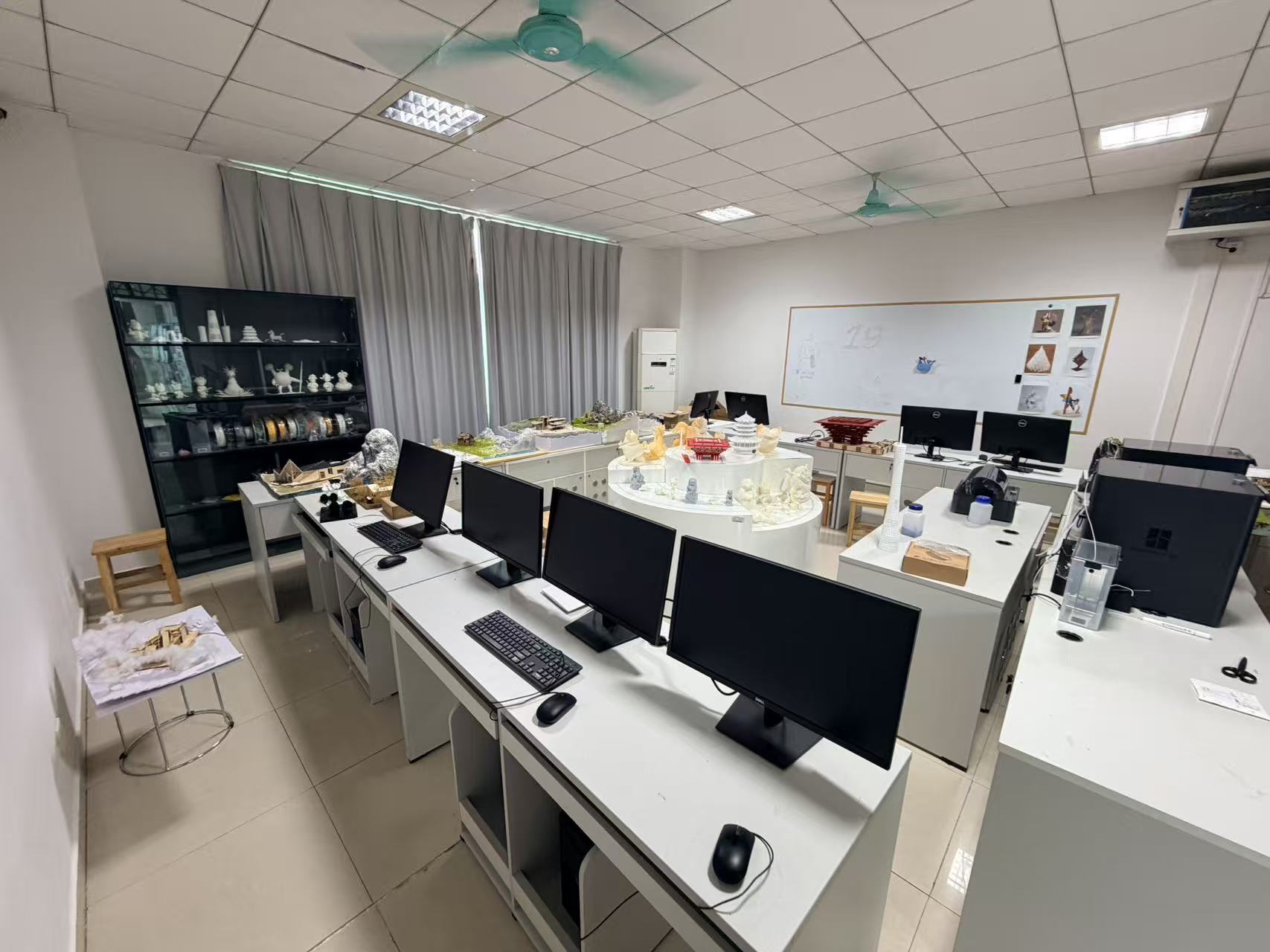
Figure 1: 3D Printing Laboratory
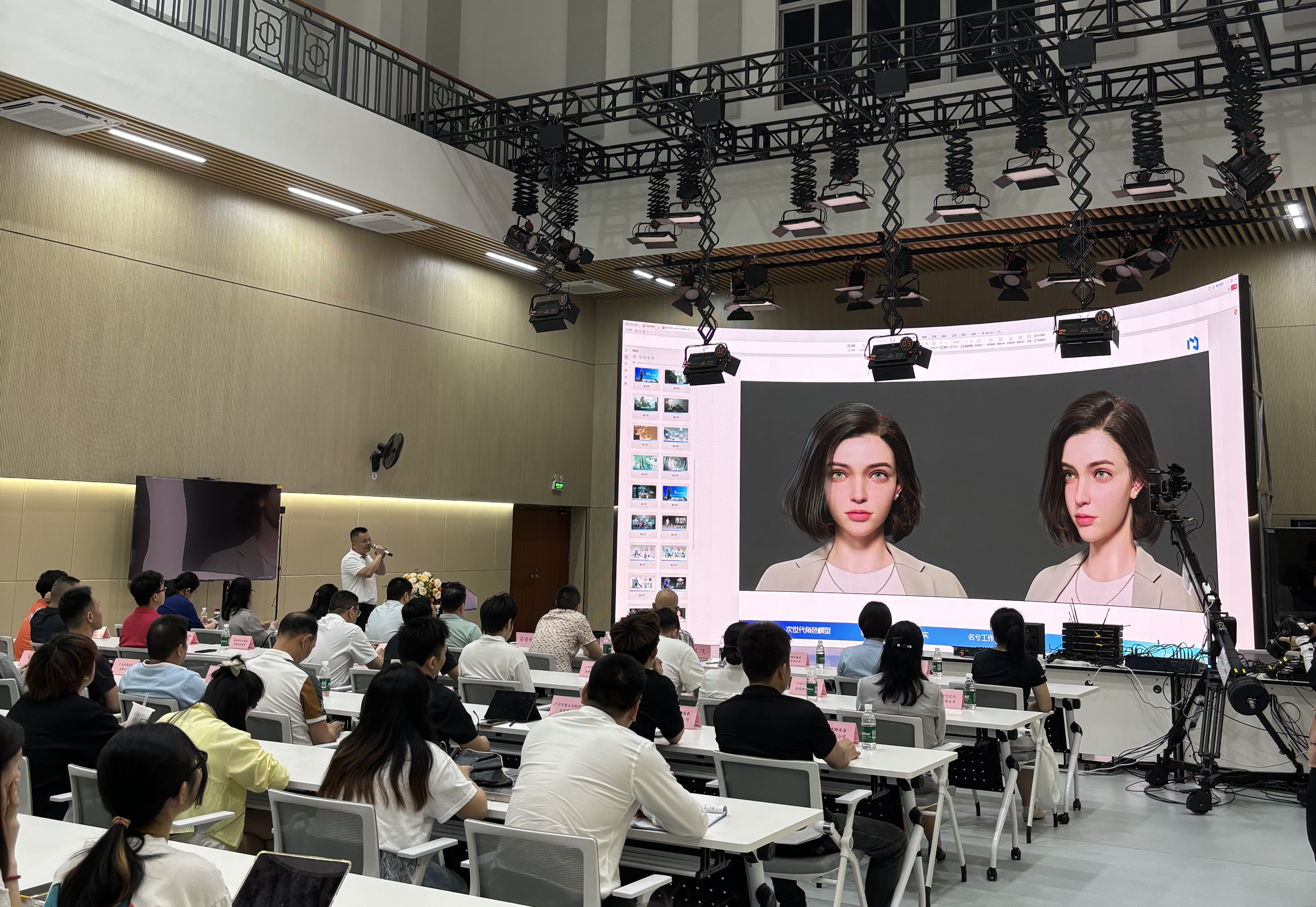
Figure 2: XR Virtual-Reality Integrated Immersive Studio
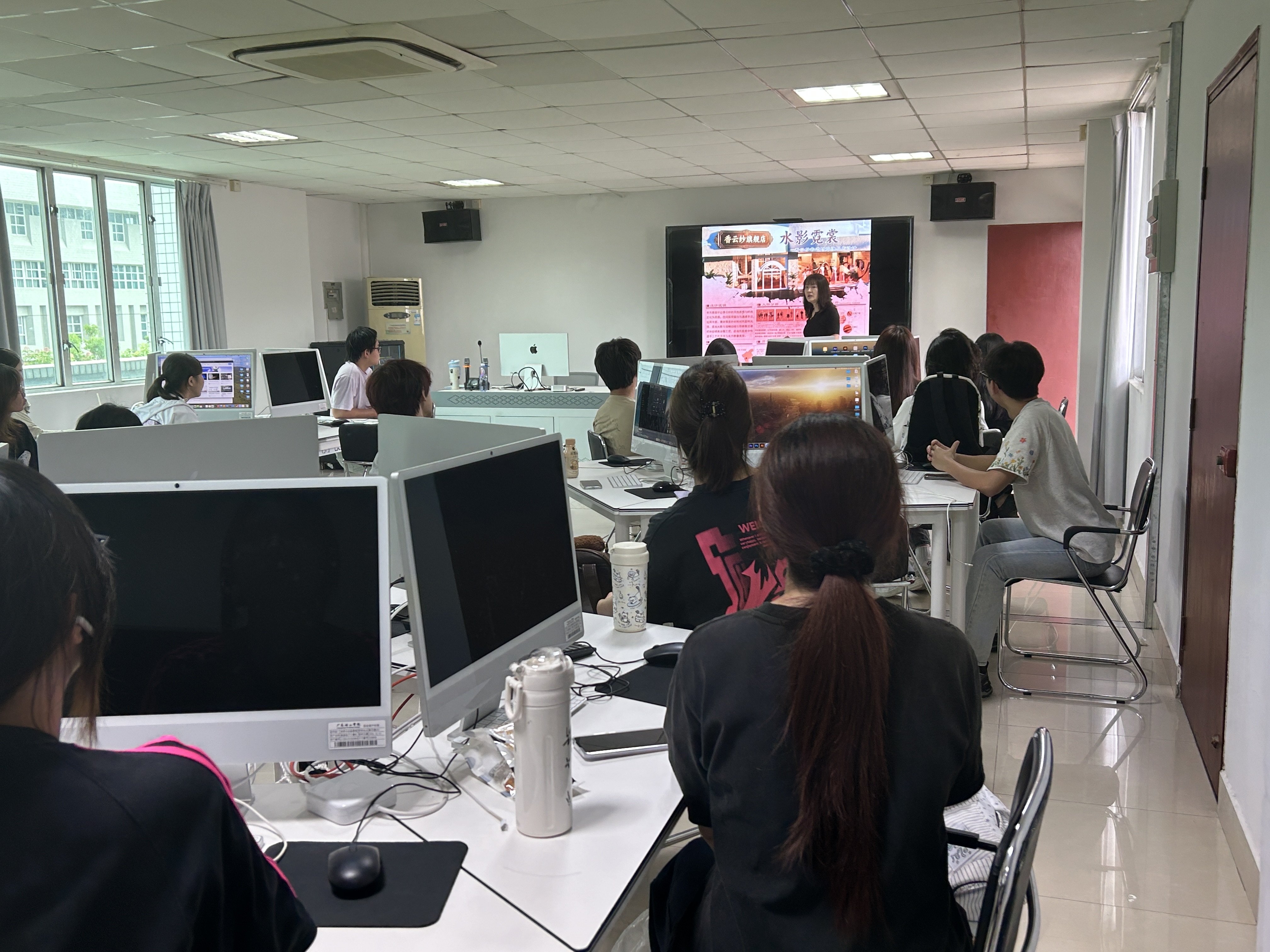
Figure 3: Apple Creative Studio
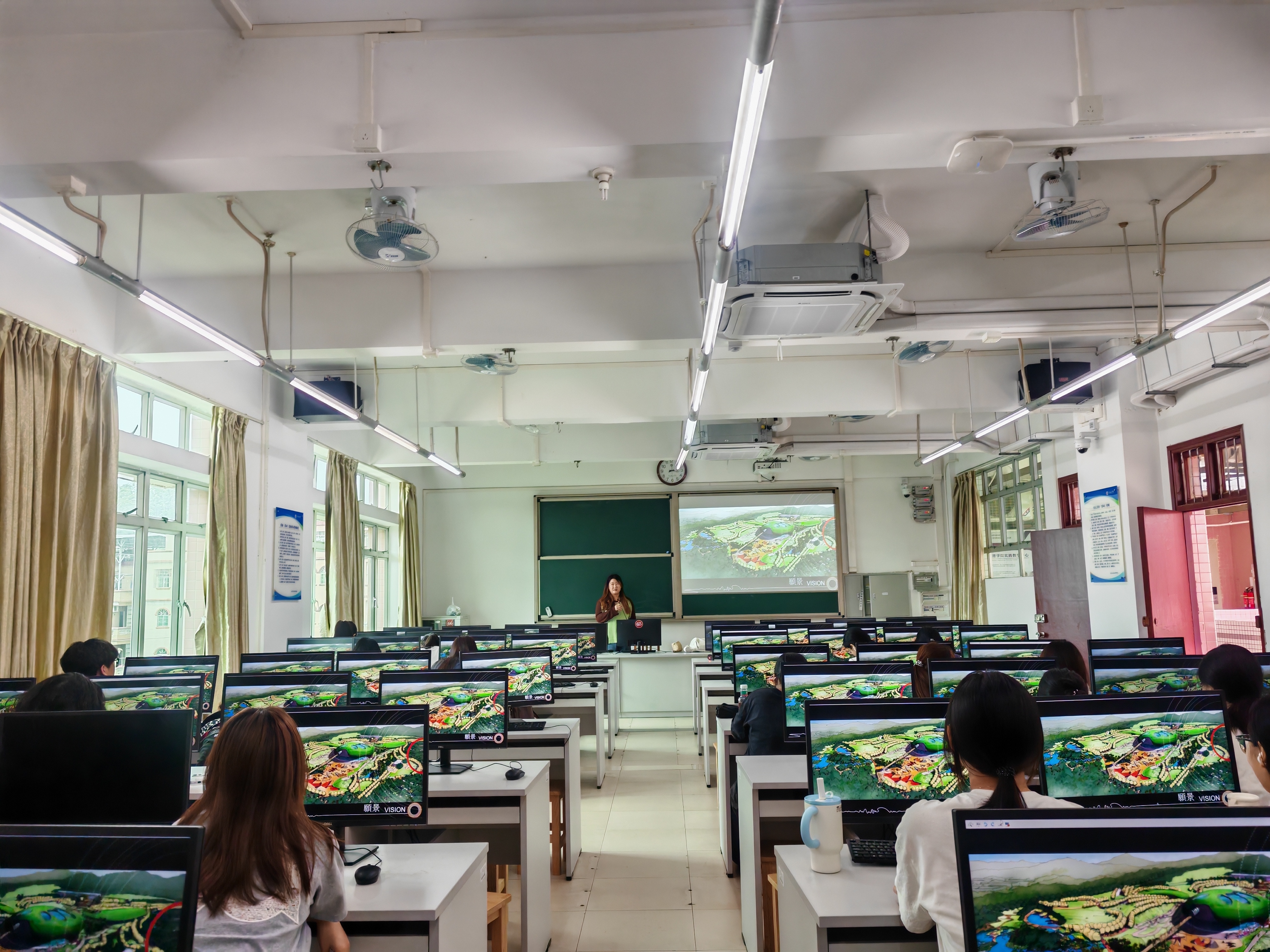
Figure 4: Software Teaching Lab
V. Teaching Achievements
1. Competition Awards Overview
This program has achieved remarkable results in domestic and international competitions over the past three years, winning 28 awards, with five faculty members receiving the "Excellent Instructor" title. Specific awards include:
● NCDA National College Digital Art Design Award: 1 First Prize, 3 Second Prizes, 2 Third Prizes, 21 Provincial Awards
● "National Youth Cup" National College Art Design Works Competition: 3 First Prizes, 4 Second Prizes, 1 Third Prize
● Milan Design Week — China Universities Design Exhibition: 1 Second Prize, 1 Third Prize, 2 Provincial Second Prizes
● Guangdong Provincial College Student Computer Design Competition: 1 Second Prize, 1 Third Prize
2. Representative Award-Winning Works
| Author(s) | Work Title | Competition | Award |
|---|---|---|---|
Luo Song, Jian Zicong |
Work | National 3D Digital Innovation Design Competition (National Finals) | First Prize |
| Lin Shengfeng | Light and Stone Charm | Guangdong Provincial University Rural Innovation Art Design Competition-Public Art Category |
Second Prize |
Zhu Sudan, Su Huipeng |
Work | 9th "Cross-Strait Emerging Design Competition · Huacan Award" | First Prize |
| Liu Cuiqi | Eternity Art Museum |
National 3D Digital Innovation Design Competition | National Second Prize |
Chen Zihao |
Moon over the Sea | China University Student Computer Design Competition | National Third Prize |
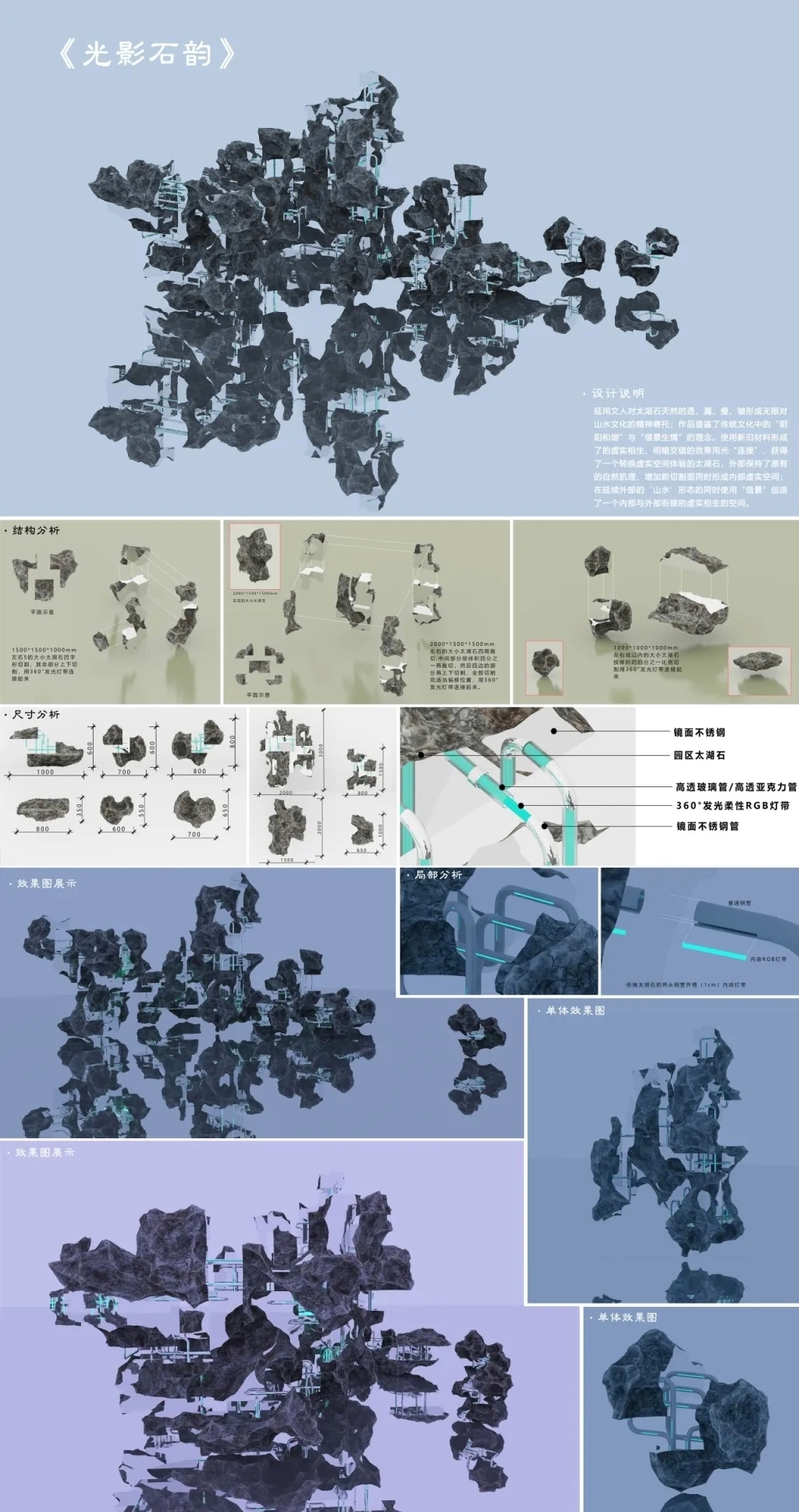
Figure 5: "Light and Stone Charm" - Second Prize, Public Art Category,
Guangdong Provincial University Rural Innovation Art Design Competition

Figure 6: "Old Street Regeneration · Embroidery Revival" -
First Prize, National 3D Digital Innovation Design Competition
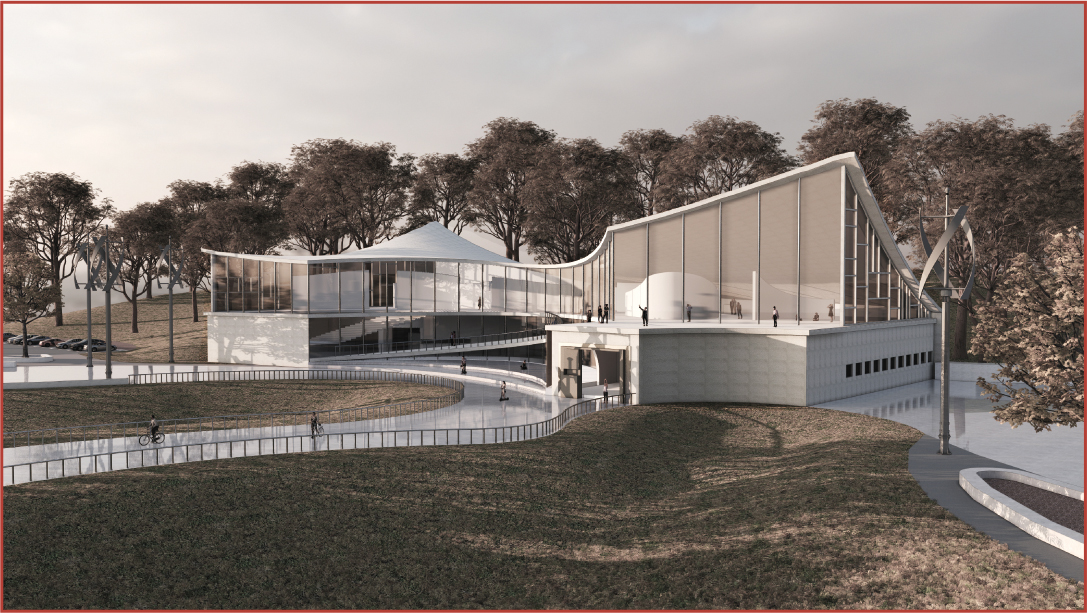
Figure 7: Public Building Design - National Second Prize, National 3D Digital Innovation Design Competition

Figure 8: Waterfront Landscape Space Design - National Third Prize, China University Student Computer Design Competition

Figure 9: "Commercial Interior Design" - First Prize, 9th "Cross-Strait Emerging Design Competition · Huacan Award"
3. Career Directions
The employment rate of graduates over the years has exceeded 98%, with a program-specific employment rate of nearly 93%, and competitive starting salaries. Graduates may work in interior design, landscape design, and exhibition design at architectural decoration engineering companies and landscape design firms, and may also obtain positions at public institutions. In recent years, the proportion of graduates entering civil service positions has steadily increased.
4. Employment Partners
Graduates are widely employed at renowned design enterprises and institutions. Representative employers include:
● Guangdong Provincial Architectural Design and Research Institute Co., Ltd.
● Guangzhou Pearl River Foreign Investment Architectural Design Institute Co., Ltd.
● Matrix Design
● YANG Design Group
● Shenzhen Huayang International Engineering Design Co., Ltd.
● Guangzhou Shanshui Bide Design Co., Ltd.
● Guangzhou Pubang Landscape Co., Ltd.
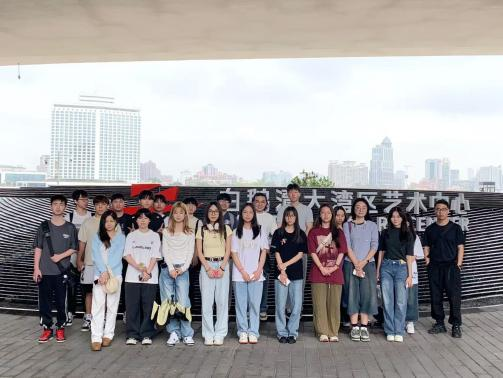
Figure 10: Field Research at Baietang Greater Bay Area Art Center
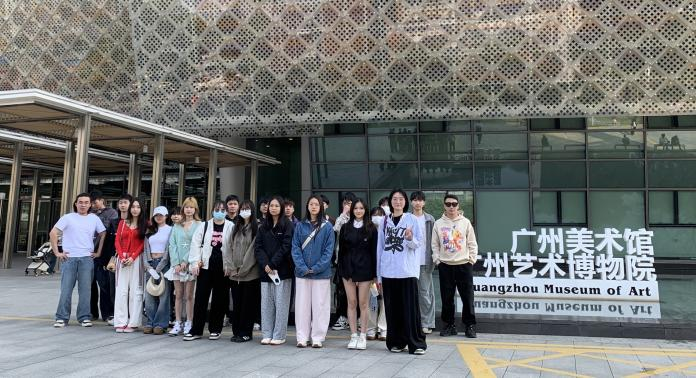
Figure 11: Field Research at Guangzhou Art Museum
5. Further Education
The program provides comprehensive graduate school entrance exam support and has established a systematic academic advancement assistance system. Numerous students have been admitted to renowned domestic and international institutions. Recent admissions include:
| Name | Year | Graduate School |
|---|---|---|
| Zeng Huixian | 2025 | Macau University of Science and Technology |
| Wu Siyi | 2025 | The Education University of Hong Kong |
| Huang Yuyun | 2025 | City University of Macau |
| Chen Guangyi | 2025 | South China Agricultural University |
| Liu Yuting | 2025 | South China Agricultural University |
VI. Entrepreneurship Development
Supported by competition awards and university-industry resources, students may independently establish design studios and other ventures. The program offers a comprehensive entrepreneurship guidance system, providing full-range resource support and development platforms for students with entrepreneurial aspirations.