

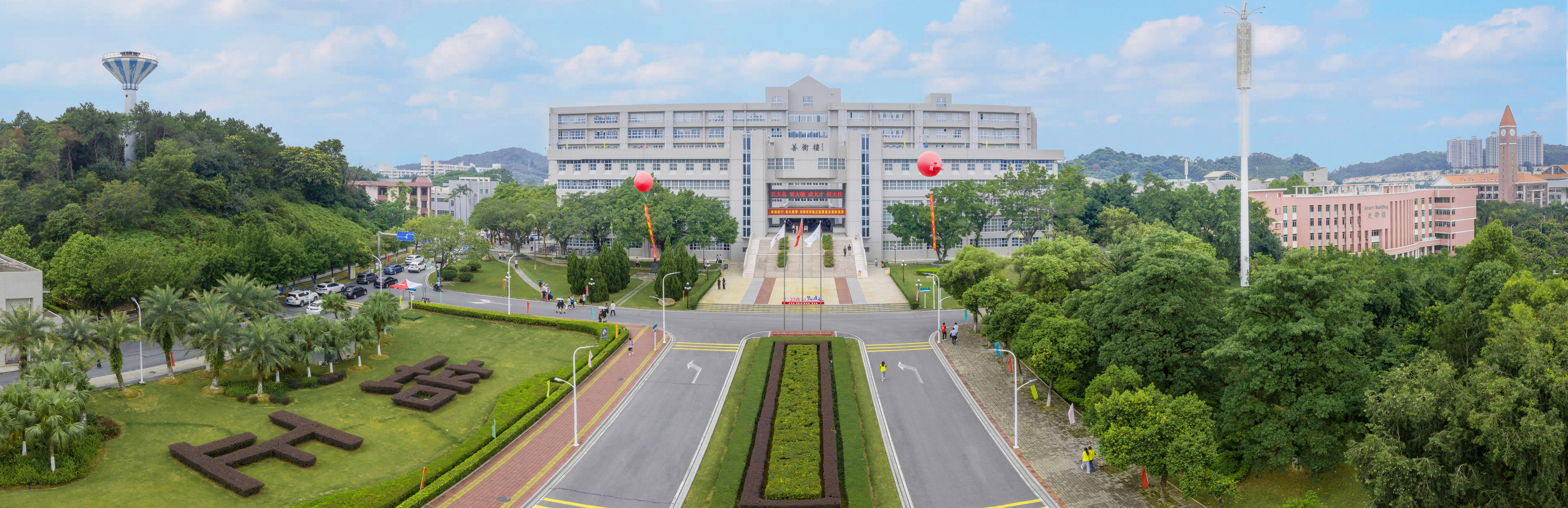
Cultural Industry Management Program
1.Professional Overview
The cultural industry management program ( including junior college to undergraduate ) is mainly aimed at the needs of the operation, management and service of the cultural industry in the Guangdong-Hong Kong-Macao Greater Bay Area, and cultivates applied compound professionals with cultural literacy, creative ability, technical ability and operation management ability. The program adheres to the school-running concept of " embracing cultural creativity and casting practical ability, " and constructs a trinity practice system of " tradition-digital-creativity, " which embodies the core concept of " integration of arts and cross-border innovation. "
The program has achieved remarkable results, and the employment rate has stabilized at more than 95 % in recent years. For seven consecutive years, students have won national scholarships. Students have repeatedly achieved good results in national and provincial professional competitions. Graduates are widely employed in well-known enterprises such as Netease, Guangdong Radio and Television, and Vipshop, or successfully enrolled in well-known universities at home and abroad such as Jinan University, Guangdong University of Finance and Economics, and Hong Kong Lingnan University.
2.Training Objectives
This program is mainly oriented to the needs of the operation, management and service of the cultural industry in the Guangdong-Hong Kong-Macao Greater Bay Area, and cultivates application-oriented compound professionals who love the party, patriotism, firm ideals and beliefs, have feelings, skills, creativity, and will operate.
Graduates can engage in cultural management such as creative planning, management, communication and education in cultural management institutions, enterprises and institutions, and have the academic foundation for further study.
3.Cultivating Direction
( 1 ) The direction of digital culture management
Facing the development needs of digital cultural industry, we should cultivate compound talents with the ability of digital protection and development of cultural resources and the practical ability of digital media management. Students will learn courses such as introduction to digital cultural industry, digital protection and development of cultural resources, and digital media management practice. They can engage in digital management of cultural resources and digital content operations in digital cultural enterprises, cultural and museum institutions, and cultural heritage protection units.
( 2 ) The direction of new media operation
Focus on the field of new media communication and operation, and cultivate professionals who master the ability of short video planning and production, new media operation and AI content creation. Students will learn core courses such as short video planning and production, new media operation, AIGC-assisted content creativity and IP development, and can engage in content creation, account operation, and IP incubation in new media companies, MCN institutions, and new media departments of enterprises.
( 3 ) The direction of art management
Facing the art market and cultural and creative industries, we will cultivate compound talents with the ability of art appreciation, cultural brand planning and creative product design. Students will learn courses such as artistic modeling expression, AI brand image planning, and graphic image processing. They can engage in art management, brand planning, and cultural and creative product design in galleries, auction houses, cultural and creative enterprises, and brand planning companies.
4.Core Curriculum
The curriculum system of cultural industry management specialty integrates four modules : cultural management, digital technology, creative design and operation practice, including :
Cultural management module : introduction to digital culture industry, digital protection and development of cultural resources, digital media management practice
AI creative module : AIGC auxiliary content creativity and IP development, AI brand image planning, artificial intelligence foundation and application
New media module : short video planning and production, new media operations
Design basic module : artistic modeling expression, graphic image processing
The curriculum closely follows the frontier of cultural industry development, deeply integrates artificial intelligence technology with cultural creativity, and cultivates innovative management talents with AI literacy and cultural industry operation ability.
5. Faculty
There are 14 teachers in the cultural industry management program. Teachers generally have an interdisciplinary background, especially in the fields of management, communication and art. This diversified structure provides multi-dimensional support for professional development. The specialty has three double-qualified teachers, who are ' double-qualified and double-ability ' teachers of management and design, forming a three-dimensional double-qualified team covering subject teaching, practical guidance, design and application.
6.Teaching and Research Platform
( 1 ) On-campus training room
The cultural industry management program has three training rooms, which constitute a ' traditional-digital-creative ' trinity practice system :
Guangdong Lacquer Art Heritage Hall : Connecting traditional culture and modern management, reflecting the combination of cultural heritage and industrial operation.
XR training room : equipped with VR / AR equipment, supporting virtual culture display and immersive experience design
Cultural and creative innovation training room : support creative practice such as cultural and creative product design and brand planning.
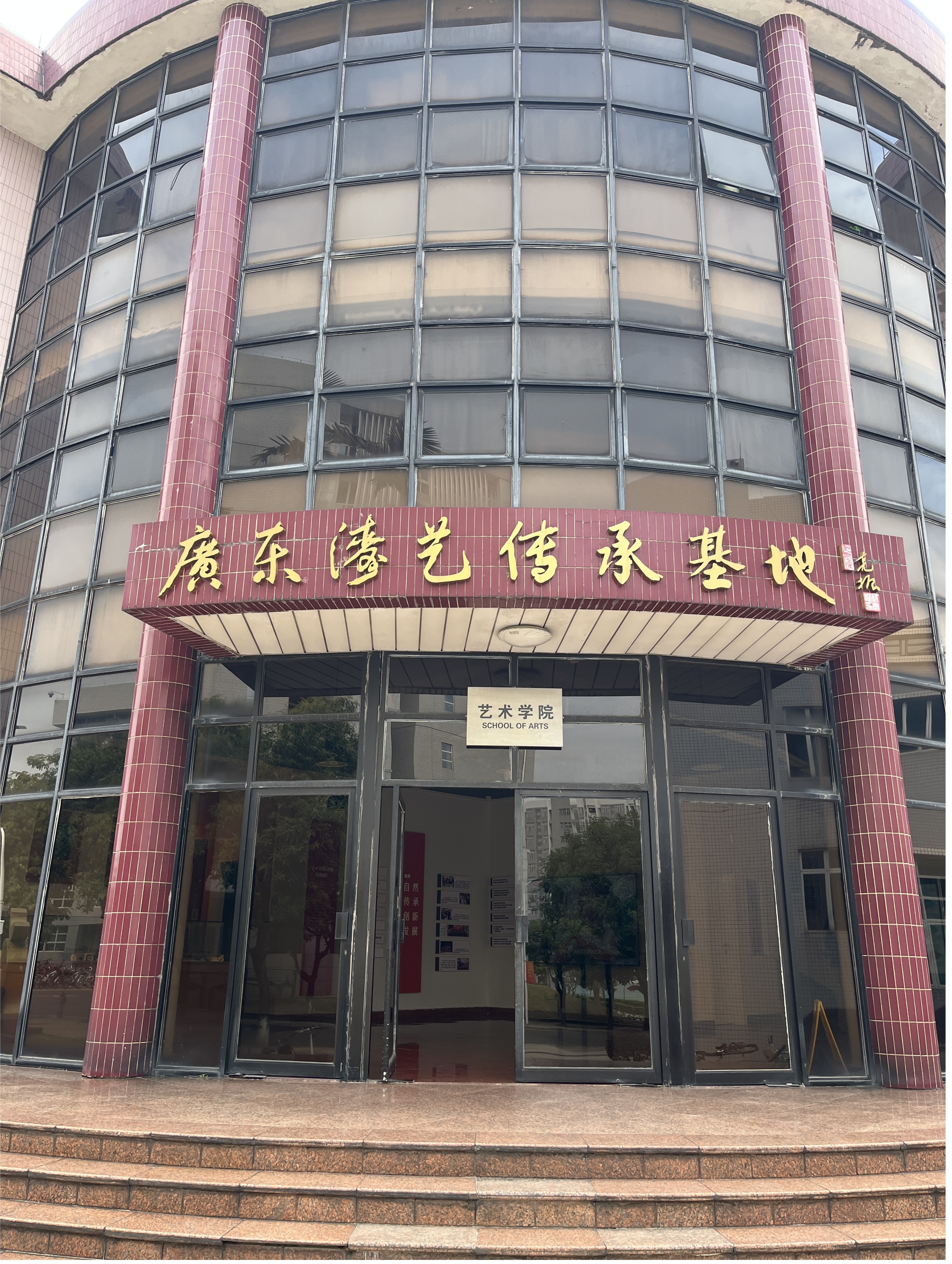
Figure 1 Guangdong Lacquer Art Heritage Hall
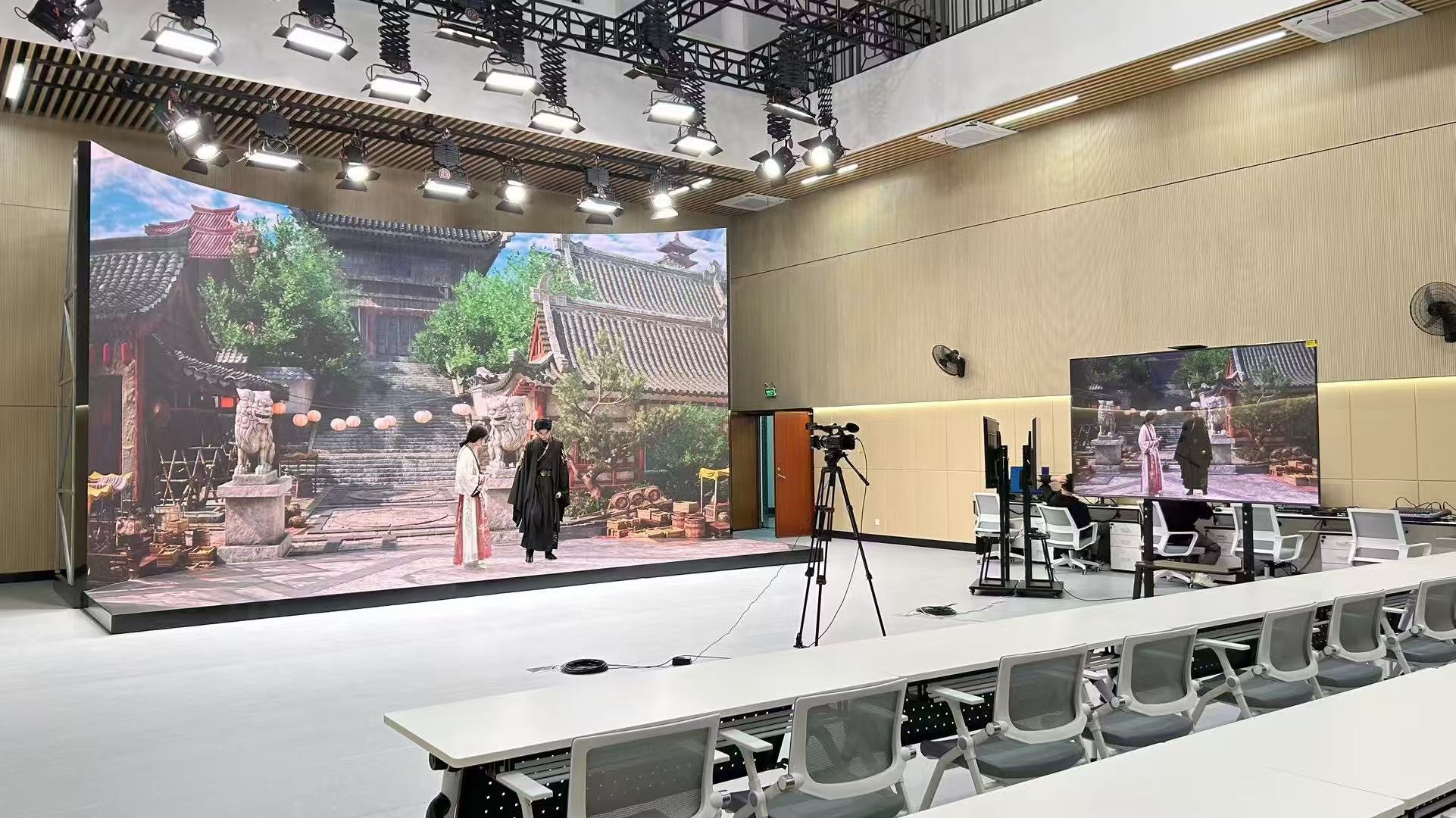
Figure 2 XR Training Room
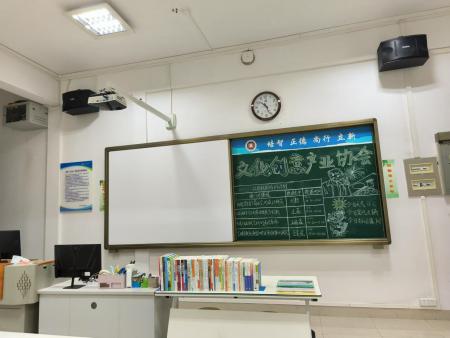
Figure 3 Cultural creative innovation training room
( 2 ) School-enterprise cooperation outside school
The program has established in-depth cooperation with more than 10 school-enterprise cooperation units. The cooperative enterprises cover listed companies, large companies, small and medium-sized enterprises and start-up companies. The types include culture, service and science and technology. Representative cooperation units include Aier Ophthalmology, Rongchuang Snow World, Daxin Art Museum and so on. The establishment of school-enterprise cooperation with multi-type enterprises has built a practical platform covering the whole industrial chain, which can meet the diversified needs of students from skill training to employment development.
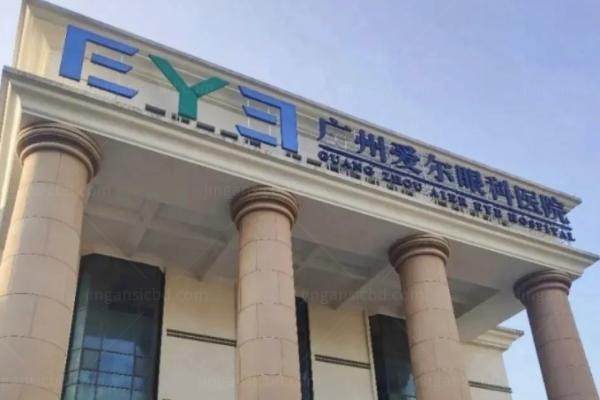
Figure 4 Aier Ophthalmology Practice Research
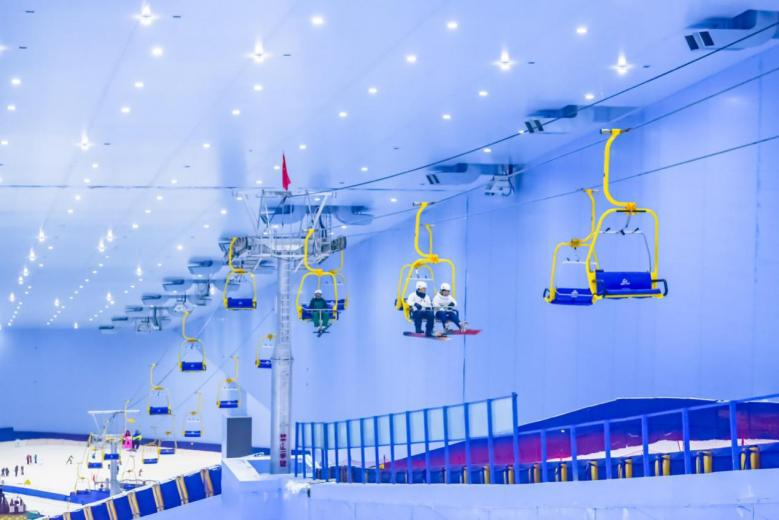
Figure 5 Investigation on the practice of melting and creating snow world
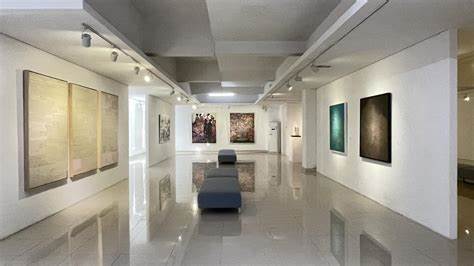
Figure 6 new art museum practice research
( 3 ) Teaching research
Professional teachers actively declared teaching reform projects, and successfully established 1 teaching project at the municipal level and 14 at the school level. In classroom teaching, let students change from passive learning to active learning, take the initiative to obtain learning results.
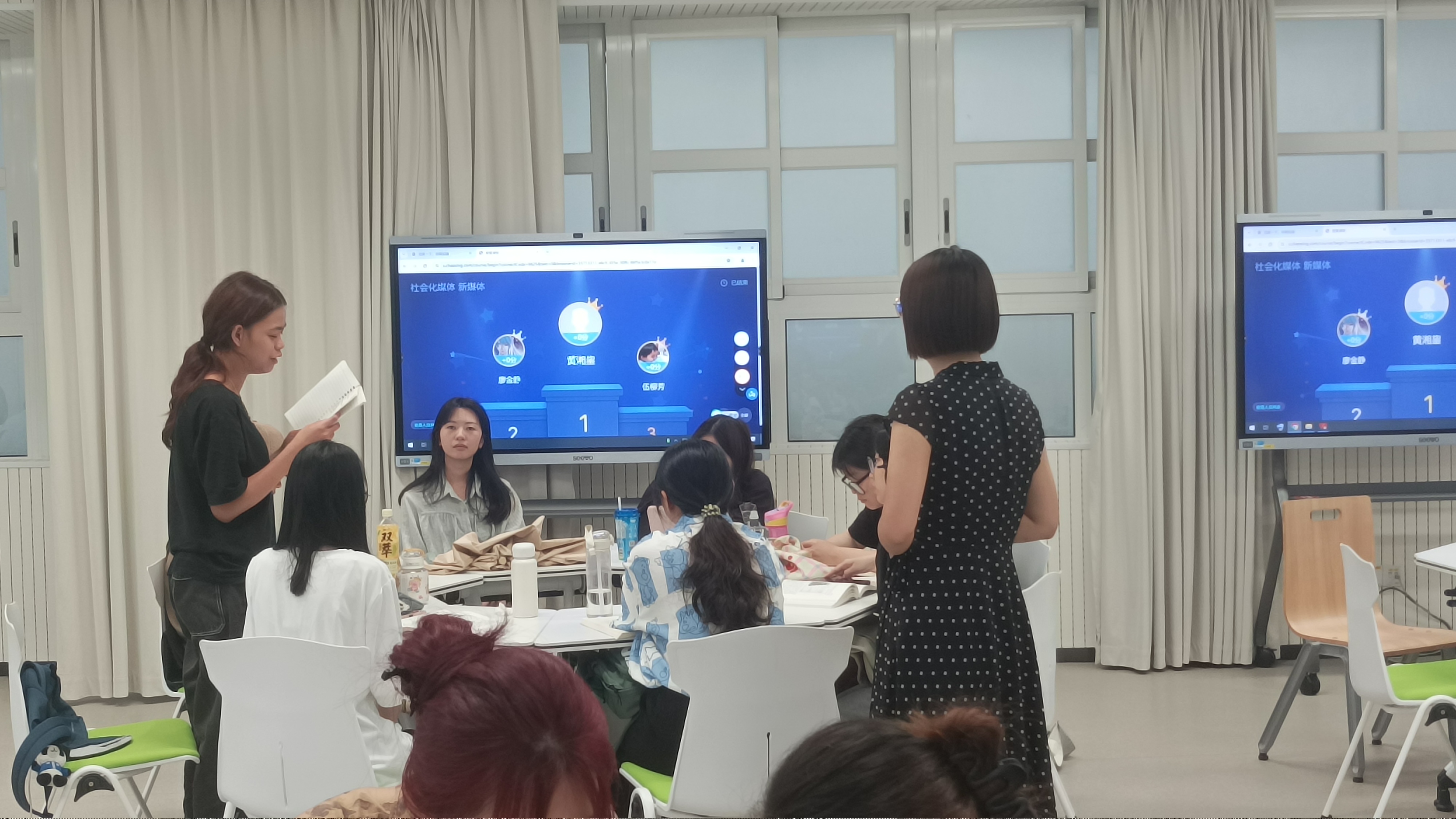
Figure 7 Classroom Teaching
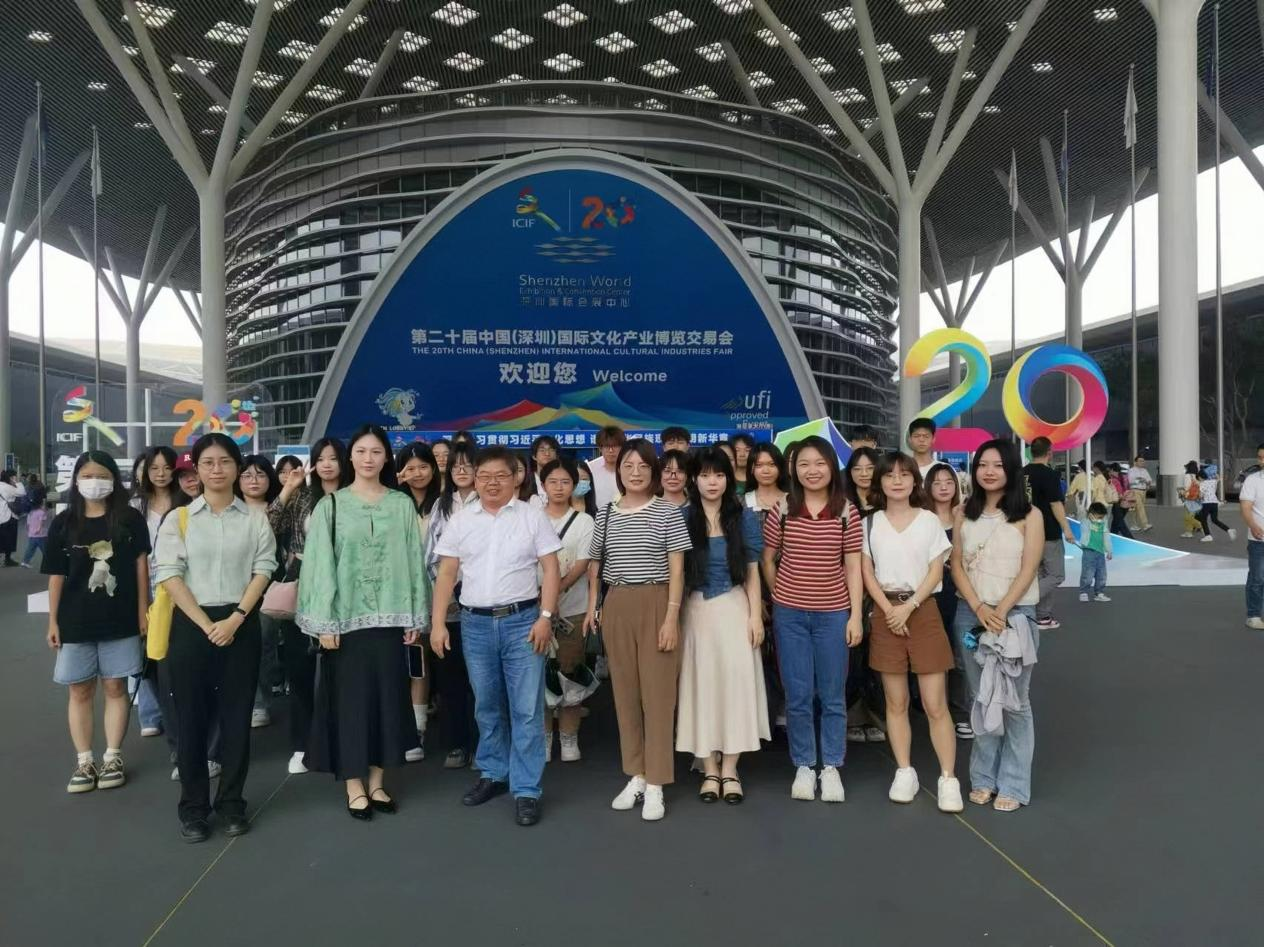
Figure Fig.8 Cultural Expo going out for investigation
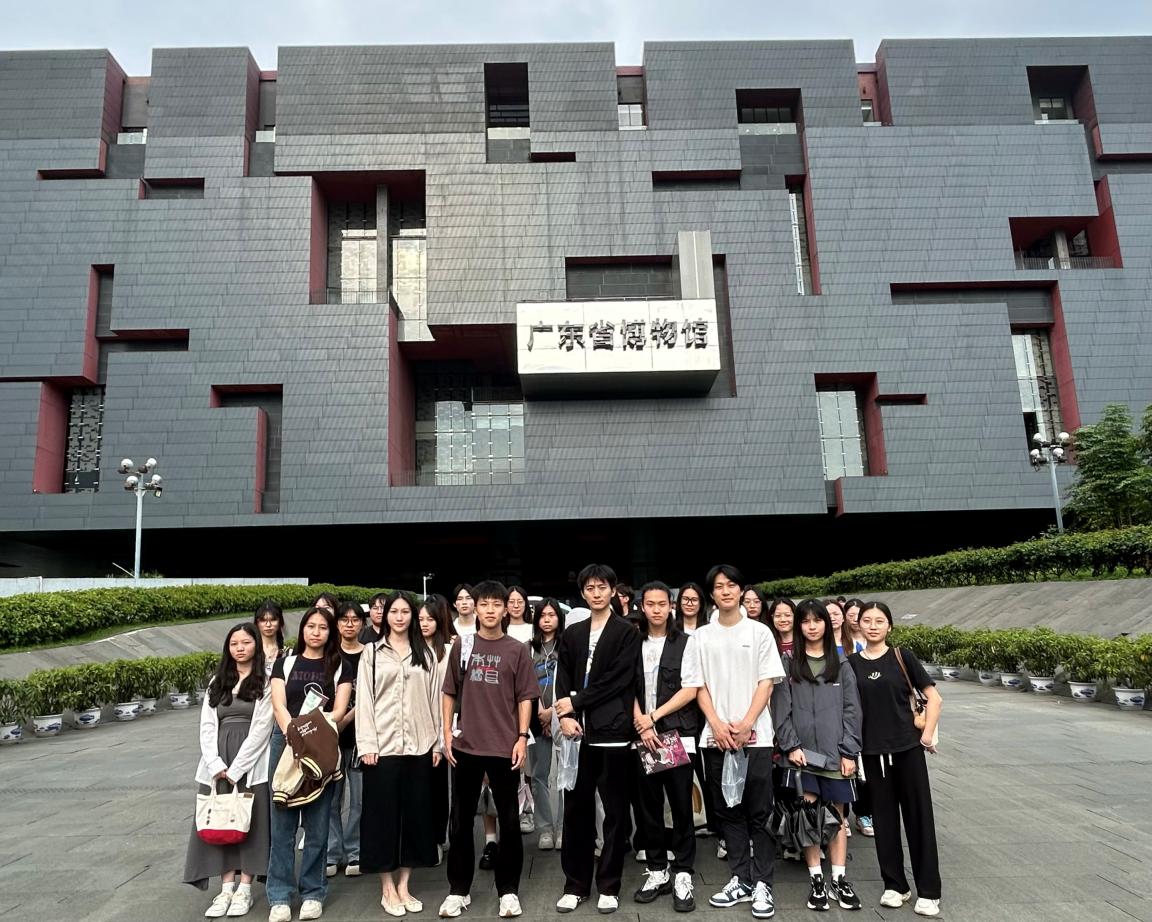
Figure 9 Guangdong Provincial Museum 's investigation
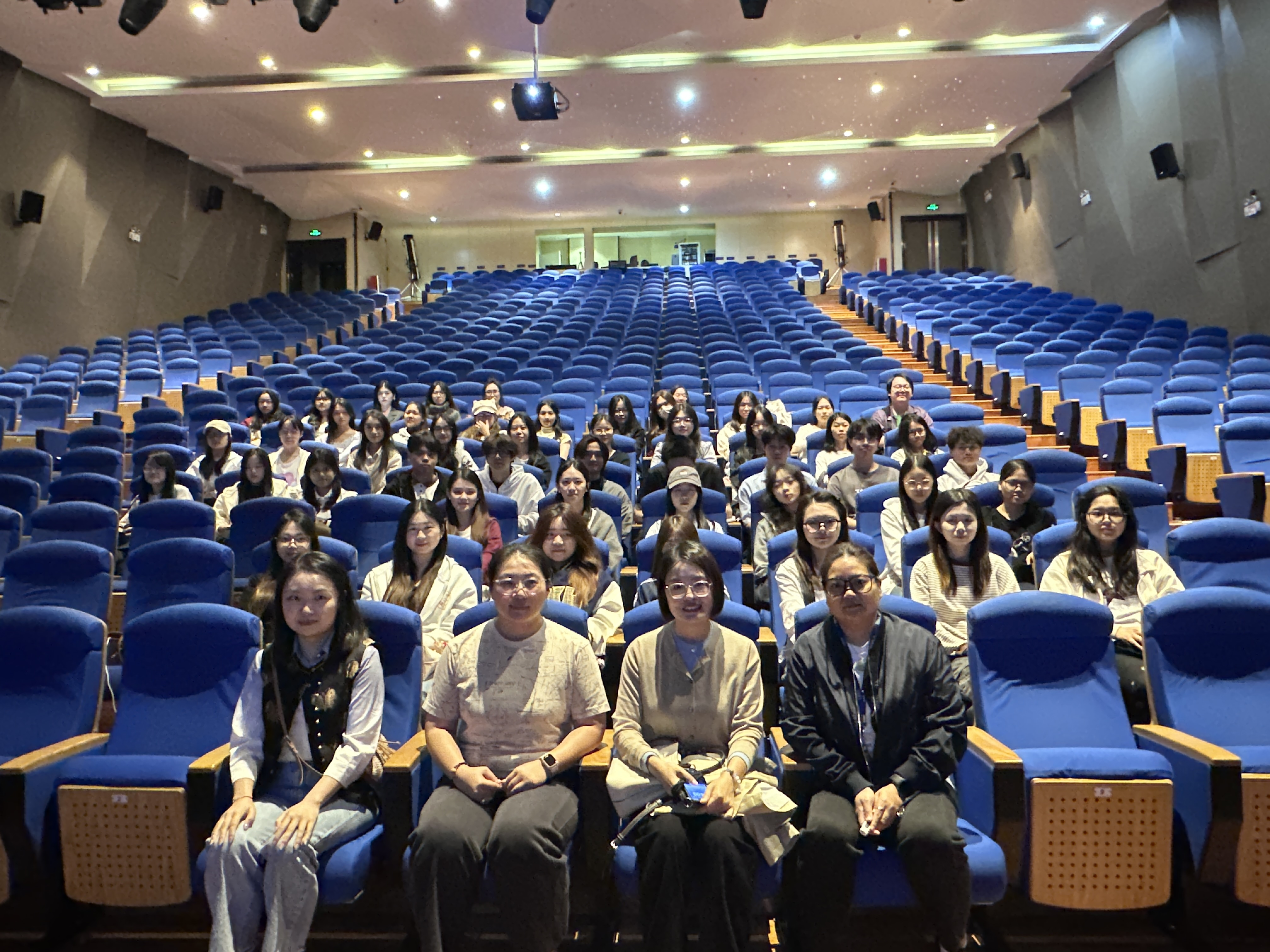
Figure 10 Zhengjia Grand Theater Outing Investigation
7. Teaching Outcomes
( 1 ) Professional competition
Professional competitions mainly focus on film and television, live broadcast and cultural and creative design. Among them, two awards were won in the national professional competition, which were the national first prize of college students ' art exhibition activities and the film and television excellent award of college students ' advertising art competition. The provincial and above awards of Guangdong Provincial Department of Education show a steady growth trend, with 1 in 2021, 1 in 2022, 5 in 2023, 5 in 2024, 6 in 2025, and 15 other provincial awards.
List of program award-winning events :
Category |
Award-winning events |
Planning class |
National College Students ' Advertising Art Competition Provincial Third Prize, China College Students ' Advertising Art Festival Academy Award National Excellent and Shortlisted Award, National College Students ' Creative Planning Competition. |
Live broadcast class
|
The third prize and excellent prize of the Guangdong-Hong Kong-Macao Circuit in the webcast innovation and entrepreneurship practical skills competition, and the third prize of the short video ( live ) competition in Huadu District of ' Live Enabling Consumption to Help Agriculture '. |
Design/Film &Television
|
National first prize and provincial third prize for college students ' art performance, national excellent prize for national college students ' advertising art competition, provincial second and third prize, and third prize for cultural and creative product design in Guangdong-Hong Kong-Macao Greater Bay Area. |
Scientific research category |
Guangdong Peizheng College school-level scientific research project focus and general project. |
Innovation and entrepreneurship
|
College students ' innovation and entrepreneurship training program project national and provincial, national college students ' e-commerce ' innovation, creativity and entrepreneurship ' challenge national third prize, ' challenge cup ' Chinese college students ' entrepreneurship plan competition provincial bronze medal, China international college students ' innovation competition provincial bronze. Award, provincial winning award of China Female College Students ' Innovation and Entrepreneurship Competition. |
Personal image category |
Global City Image Ambassador and Global City Miss Selection Competition runner-up and third runner-up. |
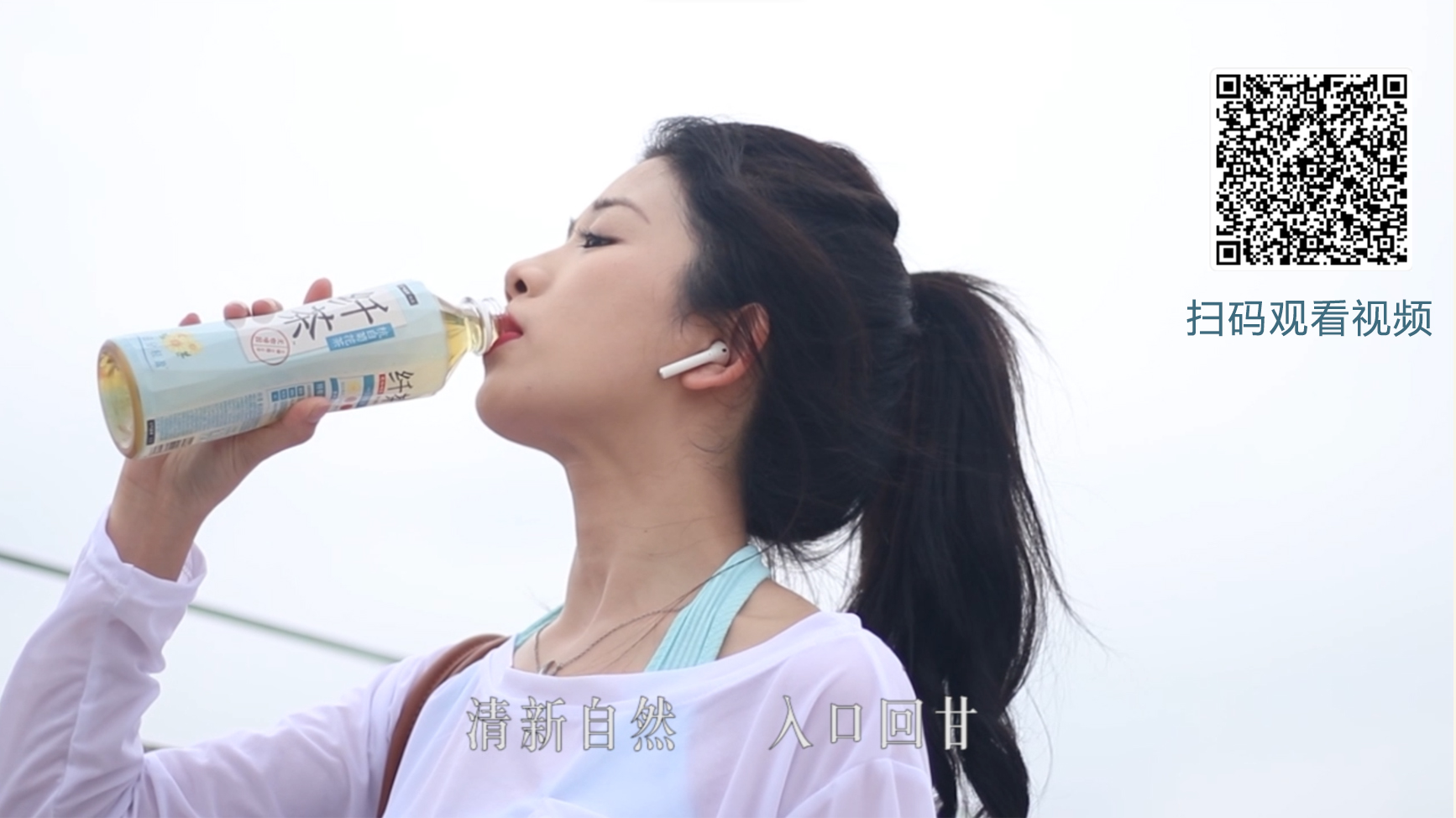
Figure 11 big competition video works
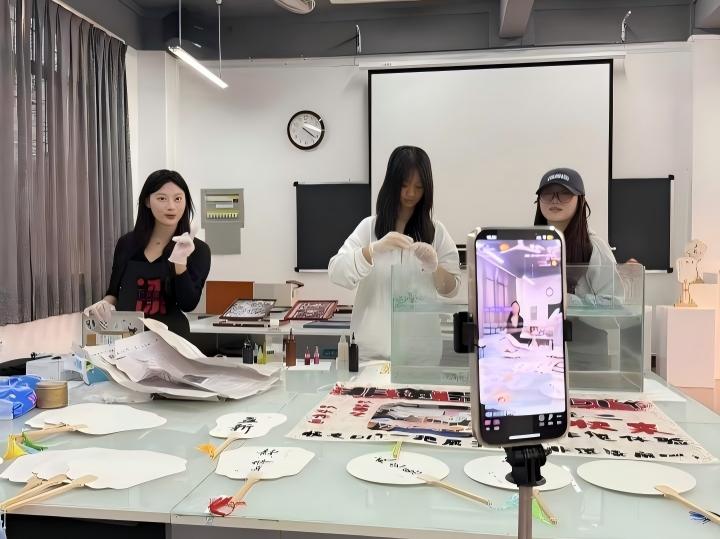
Figure 12 Webcast actual combat
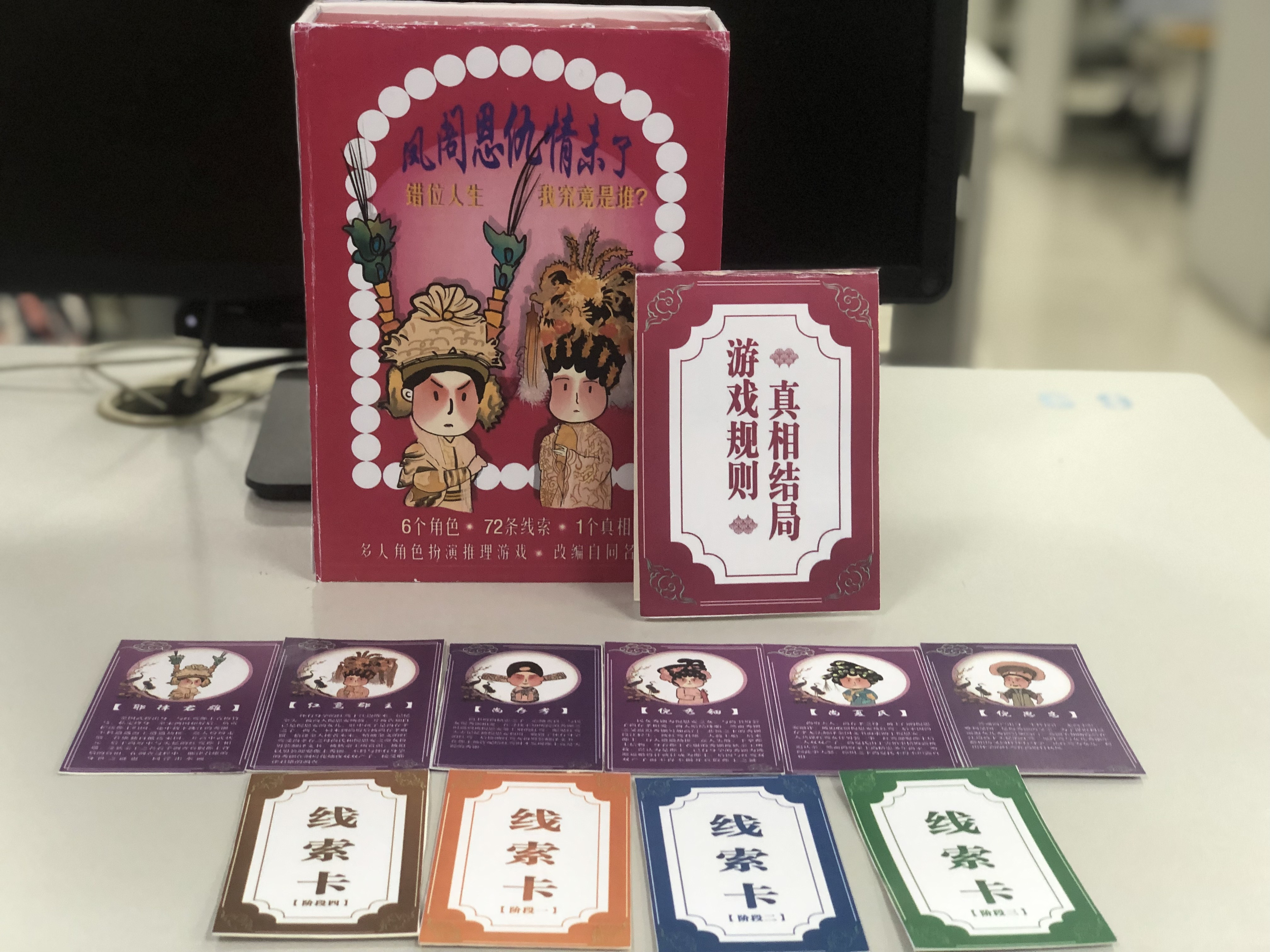
Figure 13 Cultural IP design
( 2 ) Innovation and entrepreneurship
The types of college students ' innovation and entrepreneurship projects are mainly concentrated in the fields of cultural and creative products, cultural service products and cultural tourism. A total of 1 national innovation and entrepreneurship project and 11 provincial projects were obtained, showing a significant growth trend in provincial awards such as ' Challenge Cup '.
( 3 ) National scholarships
Since the enrollment of the 2016 cultural industry management program, 1-2 students have won national scholarships every year for 7 consecutive years. The program cultivates ' hexagon warriors ' with all-round development in study, competition, position, scientific research, innovation and practice, laying a solid foundation for students ' future employment and further study.
8. Career Prospects
( 1 ) Employment situation
The employment rate of graduates has been stable at more than 95 % in recent years. The employment rate of 2021 is 96.73 %, the employment rate of 2022 is 98.31 %, the employment rate of 2023 is 98.87 %, the employment rate of 2024 is 98 %, and the employment rate of 2025 is 95 %. The types of employment include admission to master 's degree, signing tripartite agreements, signing labor contracts, and self-employment.
( 2 ) Employment units
Graduates are widely employed in well-known enterprises. Representative employment units include : Netease, Guangdong Radio and Television, Vipshop and so on. Graduates are engaged in content marketing planning, new media editing, business operations, full-time hosting, education planners, etc.
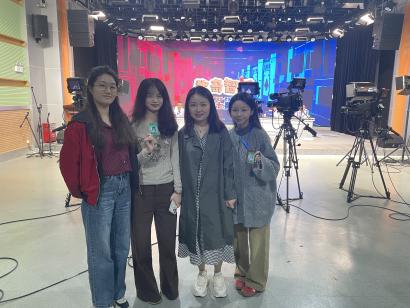
Figure 14 Employment Guangdong Radio and Television Station
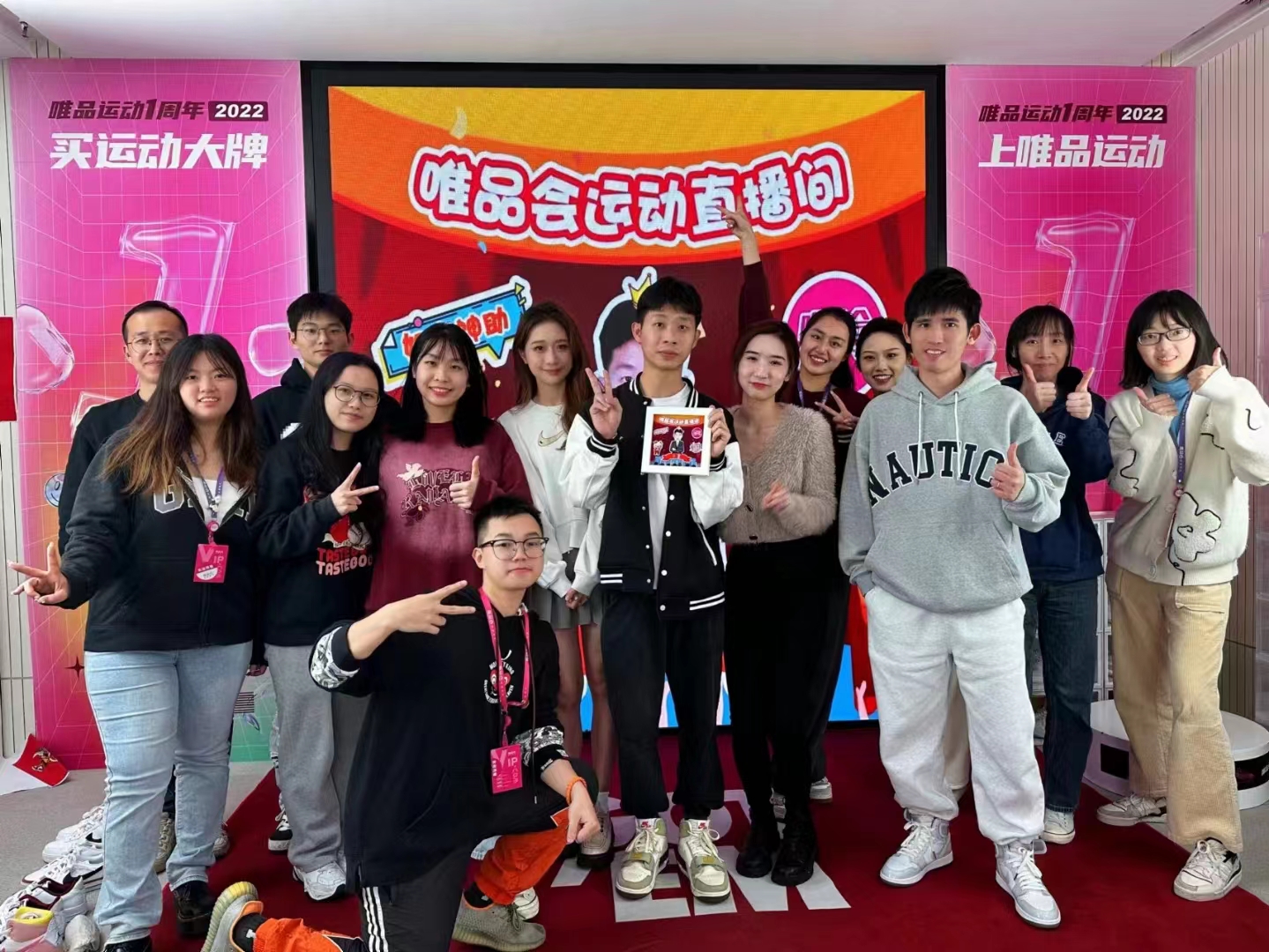
Figure 15 Employment Vipshop
( 3 ) Entrepreneurship cases
Some graduates choose to start their own businesses and start cultural and creative related enterprises, and have achieved good development in the fields of cultural and creative products and cultural services.
( 4 ) Postgraduate entrance examination
In recent years, graduate students programing in cultural industry management have been admitted to many well-known universities at home and abroad, including Jinan University, Guangdong University of Finance and Economics, Lingnan University in Hong Kong, and University of Sydney. The school provides good support for students in terms of academic atmosphere, integration of teaching resources, and international exchanges and cooperation.
Year |
Name |
Graduate Admission Institutions |
2022 |
Wang Nan |
Shandong Normal University |
2022 |
Qiu Hanhao |
Fujian University of Technology |
2023 |
Liang qilin |
shaoxing college of arts and sciences |
2023 |
Chen Shaolan |
Guangdong University of Finance and Economics |
2023 |
Zhou Jiayu |
Lingnan University, Hong Kong |
2024 |
Shen Feng |
Guangdong University of Finance and Economics |
2024 |
Luo Yongxia |
Inner Mongolia Art College |
2024 |
Guo Yinglin |
University of Melbourne |
2024 |
Wang Ruiyao |
University of Sydney |
2024 |
Zhou Ruoxin |
Hong Kong Lingnan University |
2025 |
Lin Fang |
University of Sydney |
2025 |
Li Zhaoying |
Guangxi University of Finance and Economics |
2026 |
Chen Qiongyue |
Jinan University |